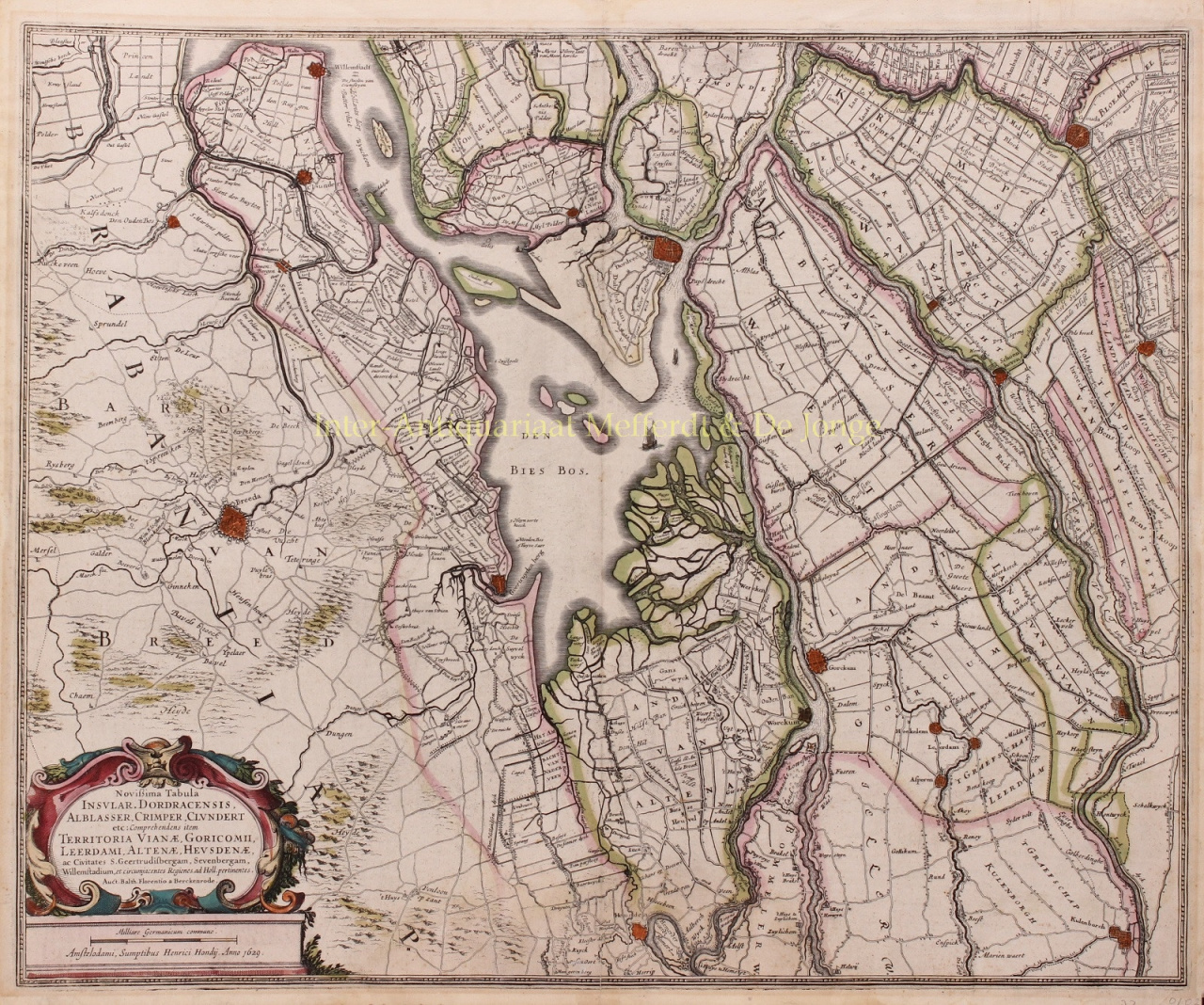
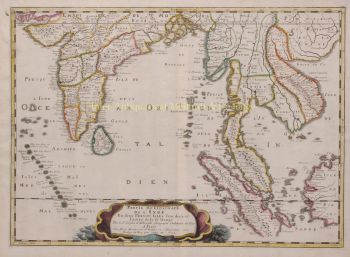
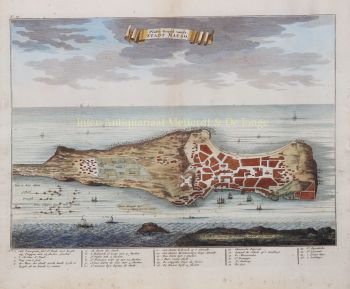
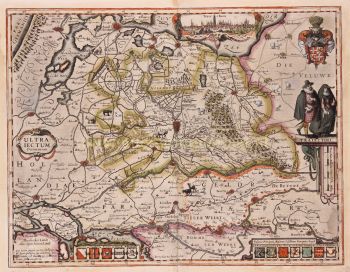
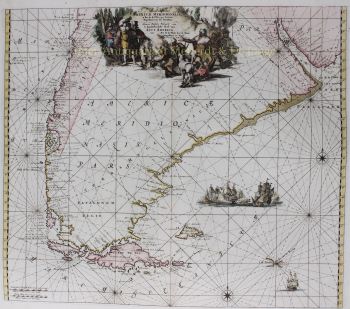
Jodocus Hondius (17 October 1563 – 12 February 1612), also known by the Latinized form of his Dutch name Joost de Hondt, was a Flemish engraver and cartographer and one of the defining figures of the Golden Age of Dutch cartography. To distinguish him from his son, he is often referred to as Jodocus Hondius the Elder.
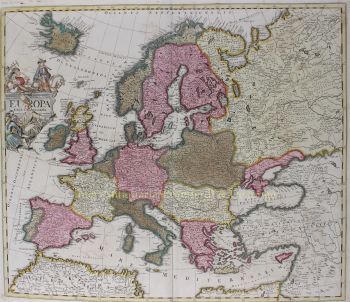
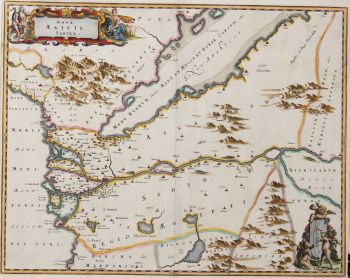
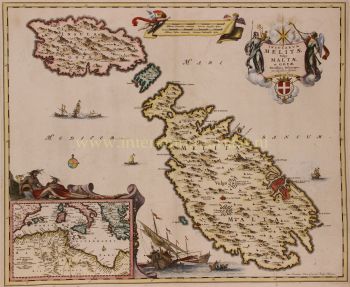
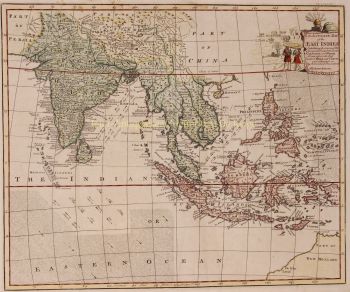
Hondius rose to prominence through his exceptional ability to combine technical engraving skill with geographical scholarship. He is best known for his early and influential maps of Europe and the New World, which helped shape Europe’s visual understanding of newly explored territories at the turn of the seventeenth century. His maps are characterised by clarity, precision and rich decorative detail—qualities that made them both authoritative scientific documents and highly desirable works of art.
A pivotal moment in Hondius’s career was his acquisition of the original printing plates of Gerardus Mercator. At a time when Mercator’s reputation had begun to fade, Hondius republished and expanded these plates, integrating his own revisions and newly available geographical knowledge. This act not only revived Mercator’s legacy but also ensured its lasting influence, leading to the celebrated Mercator–Hondius atlases that would dominate European cartography for decades.
Beyond mapmaking, Hondius was also a skilled portrait engraver. His portraits of Francis Drake are among the most recognisable visual representations of the famed English navigator, further demonstrating Hondius’s versatility and cultural reach.
As one of the central figures of the Dutch cartographic Golden Age (c. 1570s–1670s), Hondius played a crucial role in establishing Amsterdam as the leading centre of cartography in seventeenth-century Europe. His work bridged art, science and commerce, shaping how the world was mapped, understood and imagined. Today, Jodocus Hondius the Elder is remembered as a master engraver, an innovative publisher, and a key architect of modern cartographic history.