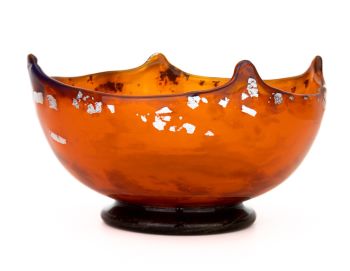
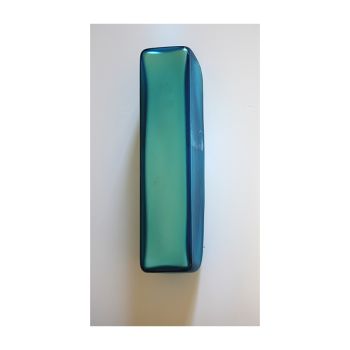
Daum Nancy is een van de meest invloedrijke en verfijnde glashuizen uit de Europese kunstgeschiedenis. Het merk werd in 1878 in Nancy opgericht door Jean Daum, een voormalig notaris die het potentieel zag in de opkomende glaskunst van de Elzas-Lotharingse regio. Wat begon als een bescheiden glasfabriek, groeide — onder leiding van zijn zonen Auguste en Antonin Daum — uit tot hét kloppend hart van de Franse Art Nouveau.
In contrast met industriële massaproductie koos Daum Nancy altijd voor een bijna poëtische benadering van glas. De broers experimenteerden obsessief met textuur, kleurgradaties en het spel van licht door meerdere lagen glas. Ze werden beroemd om hun meerlagige kameo-glas, waarin bloemmotieven, libellen, landschappen en seizoenen als het ware in het glas groeien. Elk stuk is geen object, maar een sculptuur: organisch, dromerig en diep verweven met de natuur.
Daum werkte intensief samen met kunstenaars van de École de Nancy, waaronder Émile Gallé, Henri Bergé en Jacques Grüber. Deze kruisbestuiving tussen ambacht en kunst zorgde voor een revolutionair nieuw soort glaskunst: sensueel, technisch vooruitstrevend en ongekend delicaat. Rond 1900 won Daum internationale prijzen en werd het een van de meest gezochte namen in luxe en decoratieve kunst.
Tot op de dag van vandaag blijft Daum Nancy trouw aan zijn oorsprong: volledig met de hand vervaardigd kristal, vaak met dezelfde pâte-de-verre-techniek die begin 20e eeuw werd herontdekt door de fabriek. Het merk staat synoniem voor Franse elegantie, vakmanschap en een zeldzame continuïteit van artistieke identiteit.