About the artist
Gustave Asselbergs (Amsterdam, September 5, 1938 – Nijmegen, August 4, 1967) was a Dutch painter and sculptor who occupied a distinctive position within the modern art of the 1960s. Despite his short life, he developed a recognizable and experimental oeuvre that is appreciated today for its innovative character and zeitgeist.
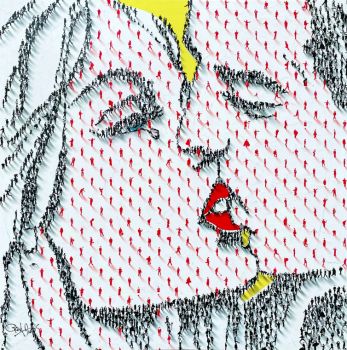
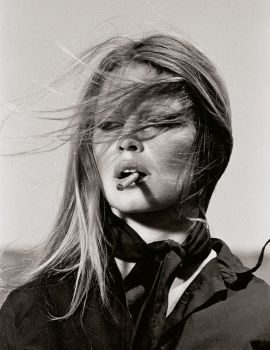
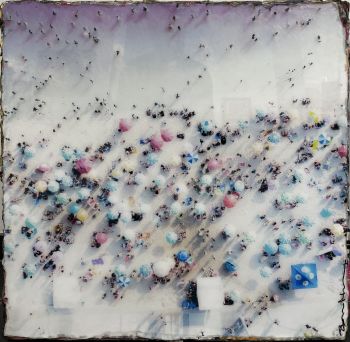
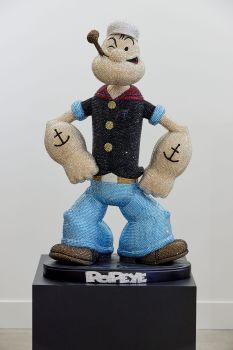
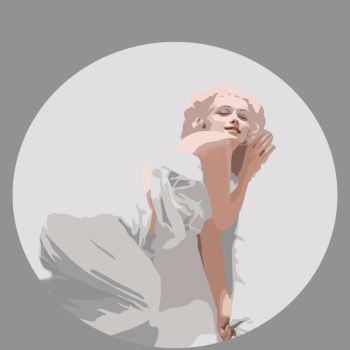
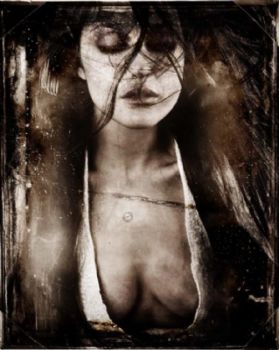
Asselbergs was best known for his hybrid works, in which he combined painting with collages of photography and everyday objects. By bringing these materials together, he broke through traditional boundaries between disciplines and created layered compositions in which image, object, and meaning reinforce each other. His work aligns with broader international developments in post-war art, such as assemblage, collage, and mixed media, while retaining a personal and intuitive visual language.
Thematically and formally, Asselbergs's oeuvre reflects on the visual culture of his time, in which photography, consumer goods, and everyday life played an increasingly prominent role. His works reveal a tension between painterly expression and material reality, placing him within the experimental movements of Dutch modern art.
Although his career ended abruptly, Gustave Asselbergs is considered an important, if lesser-known, representative of the Dutch avant-garde of the 1960s. His work is considered a relevant document of a generation of artists who sought new forms to depict the changing world.
Artworks
Filter Artworks
1 artwork for sale by Gustave Asselbergs