Johannes Elsinga
BiographyAbout the artist
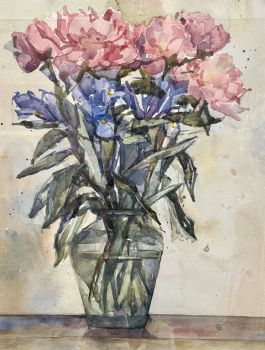
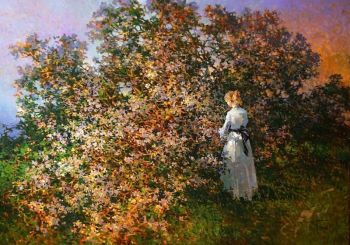
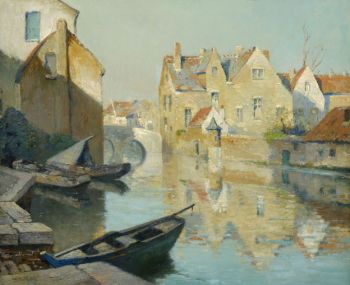
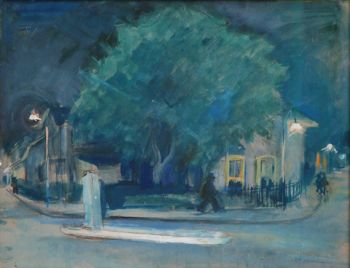
Johannes Elsinga (Wommels, 12 May 1893 – Leeuwarden, 18 March 1969) was a prominent Frisian impressionist painter and watercolourist, known for his figure paintings, landscapes, cityscapes and floral still lifes.
Education and early recognition
Elsinga studied at the Rijksacademie van Beeldende Kunsten in Amsterdam, where he studied under the guidance of Nicolaas van der Waay. He also took lessons at the academy in The Hague. During his studies, his talent was recognised early on; from 1917 to 1920 he received a royal subsidy, and he was twice awarded a prize associated with the Willink van Collen Prize.
Career and influences
In 1921 Elsinga returned to his birthplace Leeuwarden. He made numerous painting trips to North Africa, Spain, France, Switzerland and England, among other places. Although he is considered a late bloomer of the Hague School, his work is distinguished by a warmer palette, with frequent use of earth tones and deep reds for accents.
Style and theme
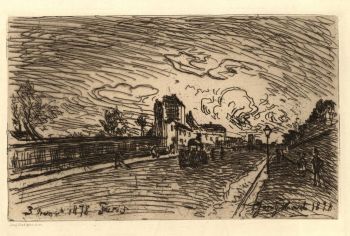
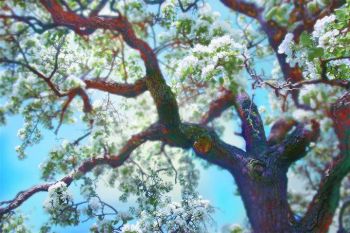
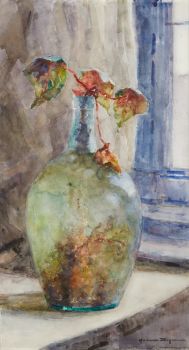
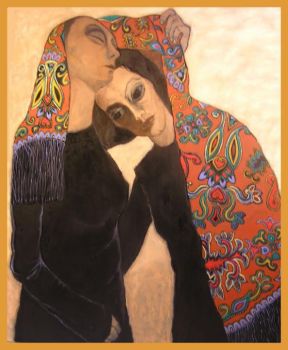
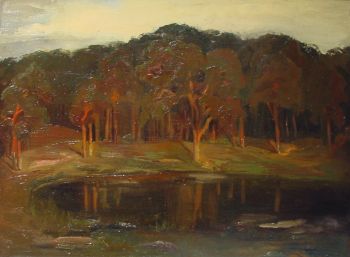
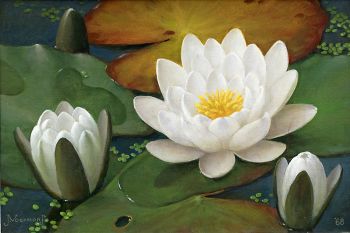
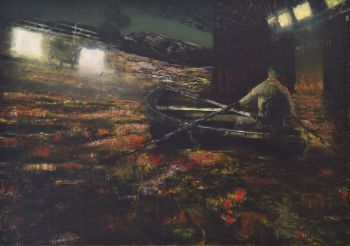
Elsinga's impressionistic style is characterized by a lively use of color and a loose brushwork. His subjects range from serene Frisian landscapes and lively cityscapes to intimate figure studies and colorful flower still lifes. His travels to various countries brought a diversity of themes and influences into his work, which contributed to his rich and varied oeuvre.
Johannes Elsinga left behind an extensive and varied oeuvre that is still appreciated and studied. His works are included in various collections and are regularly exhibited, ensuring that his contribution to Dutch painting is permanently recognized.