About the artist
Jozef Van Ruyssevelt (Basel, May 25, 1941 – Kalmthout, March 20, 1985) was an exceptionally versatile Flemish artist who interwove painting, printmaking, photography, and music into a single, sensitive universe. His work resonates with the same intensity as the sound of his cello: layered, melancholic, and thoughtfully constructed.
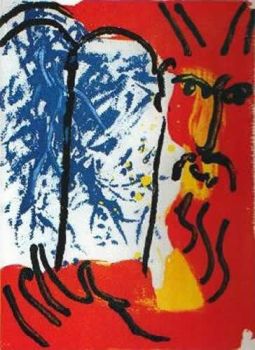
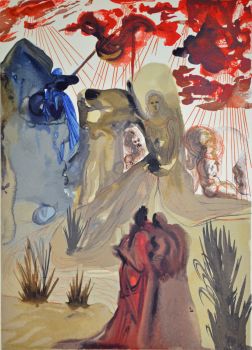
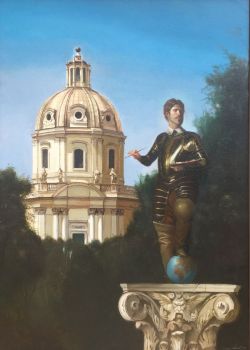
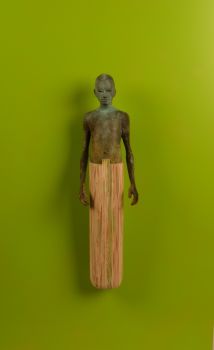
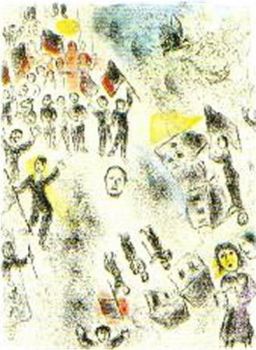
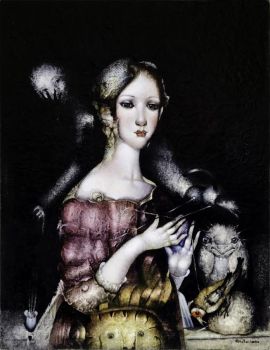
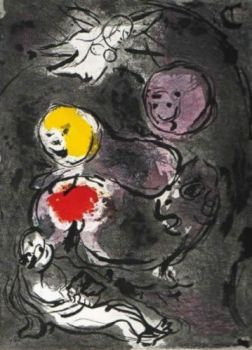
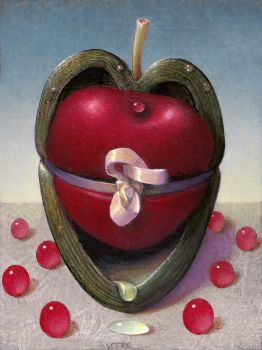
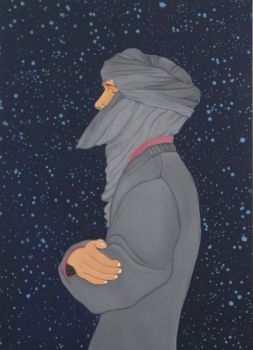
Van Ruyssevelt developed a visual language in which figuration and tranquility intersect. His paintings often exude an introspective atmosphere, in which human presence is palpable, even when only hinted at. He used color not as decoration, but as an emotional instrument—sometimes muted and earthy, then sharply contrasting, as if playing light and shadow off against each other musically.
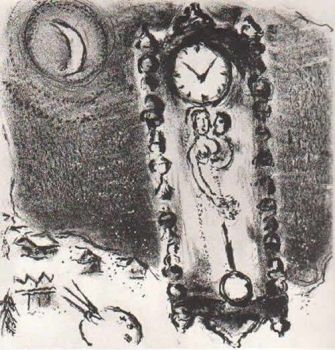
As a graphic artist, he demonstrated great technical mastery. His linework is precise and meticulous, with a strong focus on composition. In his photographic work, he sought moments of silence and alienation: fragments of reality that, once isolated, acquire an almost poetic charge. This same concentration and discipline also characterized his musical activity as a cello player, in which he immersed himself with dedication.
What makes Van Ruyssevelt special is the interconnectedness between his disciplines. Image and sound, light and line, rhythm and space: everything seems part of a single quest for harmony and inner resonance. His oeuvre testifies to an artist who chose not a single medium, but a life-style in which art became a total experience.
His early death in 1985 abruptly ended a promising development. Yet his work continues to resonate—quiet, concentrated, and intense—like a long-sustained cello note lingering in space.