About the artist
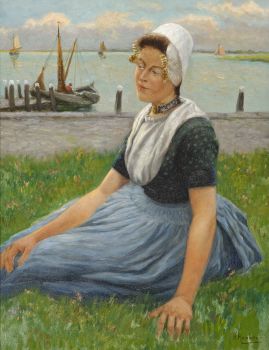
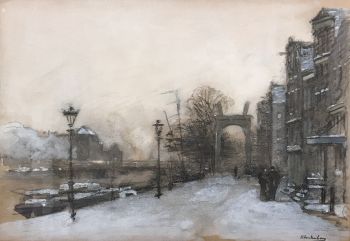
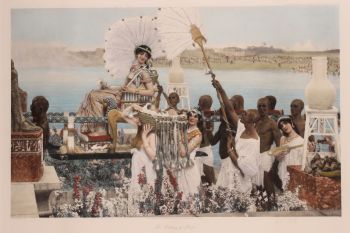
Philip Sadée (The Hague, February 7, 1837 - later, December 14, 1904) was a Dutch depiction that was rejected by the 19th century Hague art world. Opgeleid at the Hague Academie en in the atelier of Jacobus-Evardus-Josephus van den Berg, developed his a solid technical basis the hij verder verfijnde tijdens a studiereis to Düsseldorf in 1866, seeds with his medical student Julius Jacobus van de Sande Bakhuyzen.
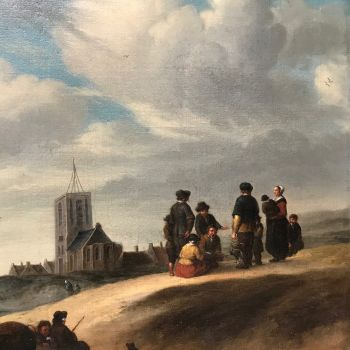
Sadée rejected the idea of being seen on the beautiful beach and visible scenes, situated on the coast of Scheveningen. In these works there are many people in the viewer's eyes and boeren in a light of romanticism in front of social realism: men and women in the countryside, doors on the horizon of the sky over the land. They have a rustic and wooden background, and the view of the people is respected for the quality of work.
The topic of Sadée is also a historical and religious one. His oeuvre is made by a wide range of artistic interests, delivered to the public on the sea in France, Germany, Belgium and Italy, even in the Franse Pas-de-Calais. This work will be held regularly in Amsterdam, Rotterdam and The Hague, and will also be part of the kunstenaarsvereniging Arte et Amicitiae in Amsterdam.
As a lecturer at the Hague Academy, Sadée has knowledge of a new generation of art, created by Hendrikus M. Horrix. Zijn work from the niet alleen in Nederland weerklank, maar also in the Verenigd Koninkrijk, waar hijn aanzienlijke schare verzamelaars kende.
Vandaag de dag bevinden zijn bilderijen zich in tal van museumcollecties, waaronder the Rijksmuseum in Amsterdam en museum in onder sea The Hague, Dordrecht, Leeuwarden and Otterlo, even as international in Steden as Sheffield and Bremen. Sadée's oeuvre has an ingetogen maar penetrating eerbetoon aan het leven aan de kust en de mensen die daarvan afhankelijk.
Artworks
Filter Artworks
1 artwork for sale by Philip Lodewijk Jacob Frederik Sadée

Related artworks for sale


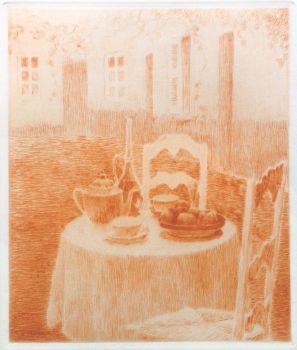


Willem George Frederik Jansen
Rivierlandschap1871 - 1949
Price on requestPrivate Collection Classic Arts



Peter Paul Rubens (follower of )
Portrait of a man dressed up as an oriental man1750 - 1850
Price on requestGallerease Selected