About the artist
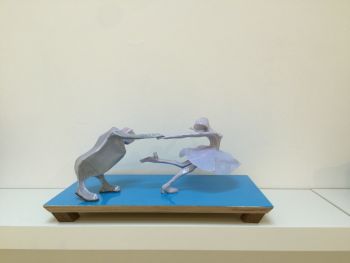
Stig Lindberg (1916–1982) was one of Sweden’s most celebrated post-war designers — a true creative polymath whose work spanned ceramics, glass, textiles, painting, and illustration. Playful yet refined, his designs helped define the golden age of Swedish modernism and brought a sense of whimsy and optimism to everyday objects.
Born in Umeå, Lindberg studied at the University College of Arts, Crafts and Design in Stockholm before joining the renowned Gustavsberg porcelain factory in 1937. There, under the mentorship of Wilhelm Kåge, he developed a distinctive style that combined imaginative decoration with functional form. By the 1940s, Lindberg had become Gustavsberg’s artistic director, turning the factory into a creative hub and transforming Swedish ceramics into a world-famous export.
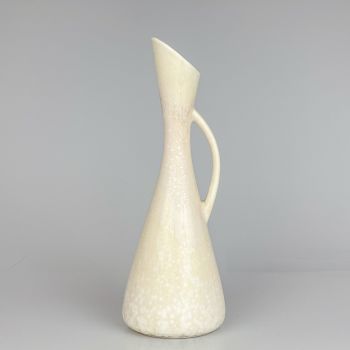
His iconic creations — from the Terma stoneware series and Spisa Ribb tableware to his hand-painted studio ceramics — remain cherished examples of mid-century Scandinavian design. Beyond ceramics, he was also known for his vibrant textile patterns for NK and whimsical illustrations for children’s books, such as Krakel Spektakel, which captured his lifelong fascination with fantasy and humor.
Lindberg’s work balanced artistry and accessibility, bringing joy, color, and personality into modern life. Today, his pieces are treasured by collectors and museums alike, standing as timeless symbols of Swedish creativity and the enduring charm of everyday beauty.
Artworks
Filter Artworks
1 artwork for sale by Stig Lindberg

Related artworks for sale

Poul Henningsen
A copper ‘PH Artichoke’ pendant – Louis Poulsen, Denmark2000 - 2010
Price on requestVan Kerkhoff Art