Johanna Petronella Catharina Antoinetta (Jo) Koster (Kampen, 16 April 1868 – Heelsum, 15 April 1944) was a Dutch painter, draftswoman and lithographer, known for her neo-impressionist and pointillist works. Her oeuvre includes portraits, landscapes and still lifes, in which she displayed a refined technique and a keen eye for detail.
Education and early career
Koster showed artistic talent at an early age. During her secondary school years in Dordrecht she received drawing lessons from Roeland Larij, a prominent figure in the Dordrecht painting world. After graduating, she moved to Amsterdam to study at the Rijksnormaalschool voor Tekenonderwijs, where she obtained her drawing certificate. She then continued her studies at the Academy of Fine Arts in Rotterdam.
In 1891, Koster took part in a group exhibition of female painters in Amsterdam for the first time, an event that was received with some scepticism by the press at the time, as people were not yet used to women making painting their profession.
In 1894, she received the Royal Subsidy for Painting, which enabled her to leave for Paris. However, she did not like the atmosphere and teaching methods at the private academies there, which is why she soon travelled on to Brussels. There she continued her studies in the studio of Ernest Blanc-Garin, where she came into contact with artists from the international modern movements Les XX and La Libre Esthétique. These encounters aroused her interest in neo-impressionism, a technique that would characterise her style in the first decades of the 20th century.
Artistic development and travels
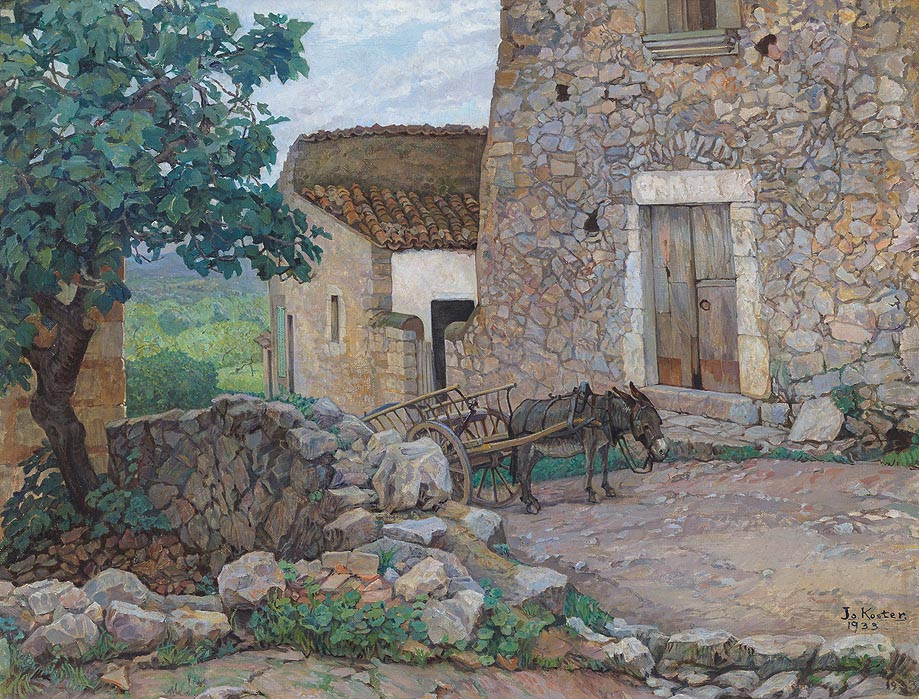
After her studies, Koster returned to the Netherlands and settled in The Hague. She made several trips abroad, including to England, Italy, Germany, Switzerland and France. These travels influenced her artistic development and brought her into contact with various styles and techniques. In the 1920s she spent her summers in Brittany, where she met the New Zealand painters Iva McEldowney and Vera Vial. In 1930 she travelled with them through Europe, and in 1932 she visited Selva in Mallorca with Geertruida van Hettinga Tromp.
Style and theme
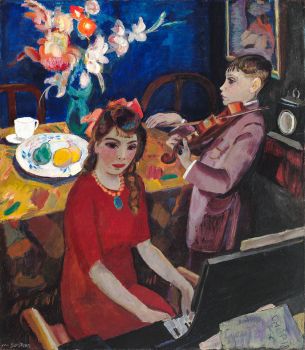
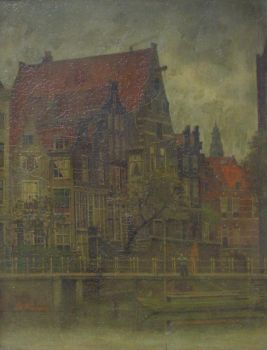
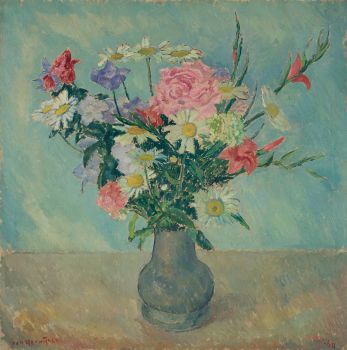
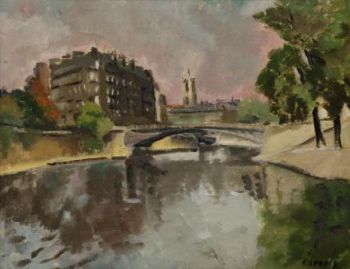
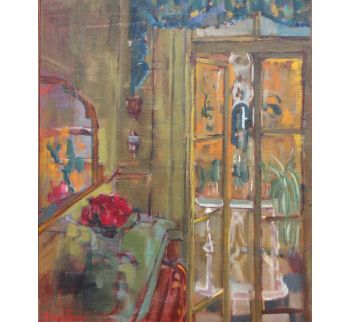
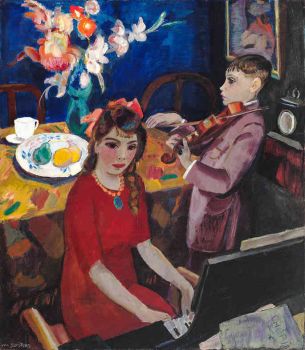
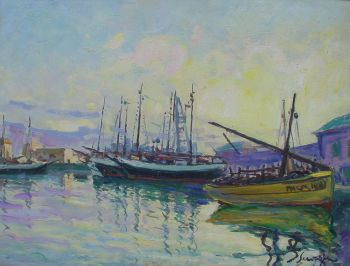
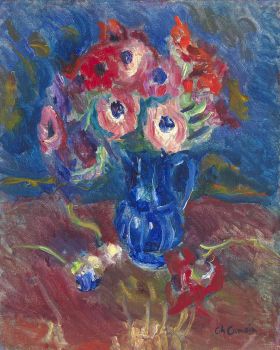
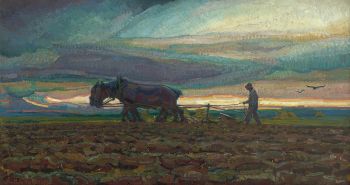
Koster's work is characterised by the use of bright colours and a pointillist technique, in which she placed small dots of paint next to each other to create a lively and sparkling effect. Her subjects ranged from portraits and still lifes to landscapes and cityscapes. She had a keen eye for detail and was able to capture the essence of her subjects in a refined manner.
Recognition and legacy
Throughout her career, Koster was a member of and exhibited with various artists' associations, including Arti et Amicitiae, the Artists' Association Sint Lucas, the Association of Visual Artists 'De Rotterdammers' and Pulchri Studio. Her work was exhibited in both solo and group exhibitions in the Netherlands and abroad. In the winter of 1939-1940, four of her works were included in the exhibition 'Onze Kunst van Heden' in the Rijksmuseum.
Her works are part of the collections of the Rijksmuseum and the Kröller-Müller Museum, among others. Her works have been exhibited posthumously several times, which testifies to her lasting influence on Dutch painting.
Jo Koster died on 15 April 1944 in Heelsum, the Netherlands, one day before her 76th birthday. Her artistic legacy remains a source of inspiration for many and contributes to the rich cultural heritage of the Netherlands.
rdam and the Kröller-Müller Museum.