Keller & Guerin
BiographyAbout the artist
Keller & Guérin (K&G) was a leading French faience manufacturer that played a pivotal role in transforming the historic pottery traditions of Lunéville and Saint-Clément into a modern, industrially scaled enterprise—without losing their artistic refinement. Established around 1832 through the partnership between the son of Sébastien Keller and his brother-in-law Guérin, the company became widely recognized for its distinctive “K&G” mark, a hallmark of quality and craftsmanship.
Rooted in the rich ceramic heritage of northeastern France, Keller & Guérin combined innovation with tradition. Their expansion reached a significant milestone in 1892 with the acquisition of the Saint-Clément factory, a site with royal pedigree that had once supplied wares to Marie-Antoinette. Under K&G’s direction, both Lunéville and Saint-Clément evolved into major centers of ceramic production, employing around 1,100 workers by the turn of the 20th century.
What distinguished Keller & Guérin was not only their industrial ambition but also their commitment to artistic excellence. The company actively collaborated with prominent artists of the time, most notably Émile Gallé, whose involvement brought a refined aesthetic sensibility to the Saint-Clément productions. This fusion of artistry and industry positioned K&G at the forefront of European faience manufacturing.
In 1922, the company entered a new phase when both factories were sold to Édouard Fenal. While production at the original Lunéville site eventually ceased in 1981, the Saint-Clément factory continues to operate today as part of the Sarreguemines group, carrying forward a legacy shaped by nearly a century of innovation, craftsmanship, and artistic collaboration.
Artworks
Filter Artworks
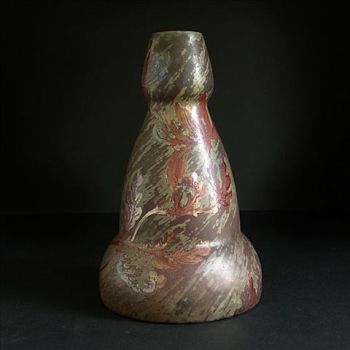
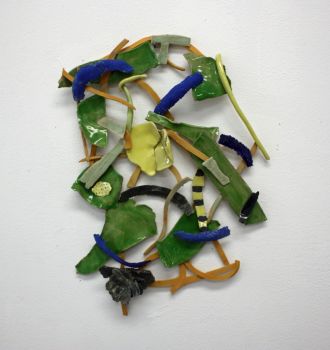
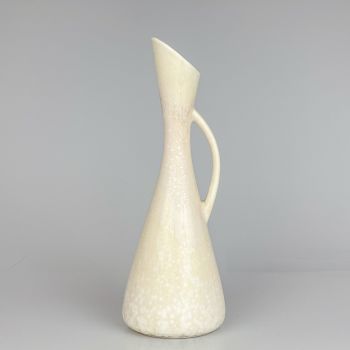
1 artwork for sale by Keller & Guerin