Pnina Gafni
BiographyAbout the artist
Pnina Gafni (Haifa, 1946 – Delft, 2003) was an Israeli-Dutch artist known for her poetic and layered visual language, in which personal memories and universal themes intertwined. Born in the young Israel just after independence, she grew up in a society full of contrasts: tradition and modernity, hope and conflict. These experiences formed an important breeding ground for her art.
In the 1970s, Gafni moved to the Netherlands, where she settled in Delft. She studied at the Royal Academy of Art in The Hague, among other institutions, and developed a distinctive oeuvre that defied easy categorization. Her work operated at the intersection of painting, printmaking, and spatial work.
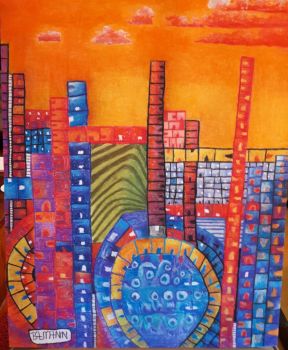
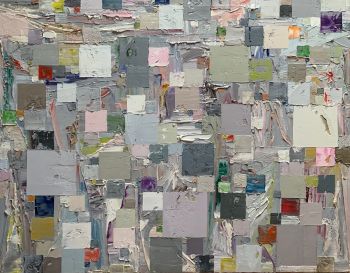
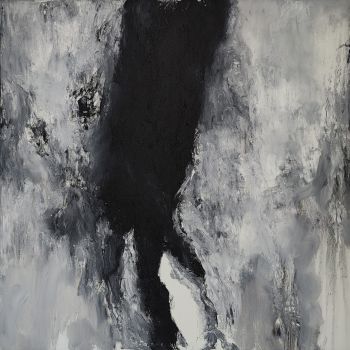
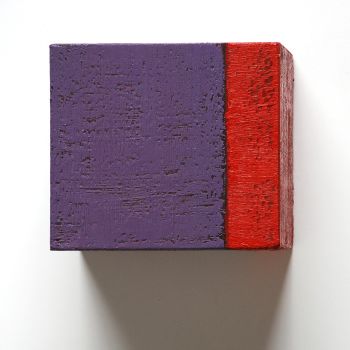
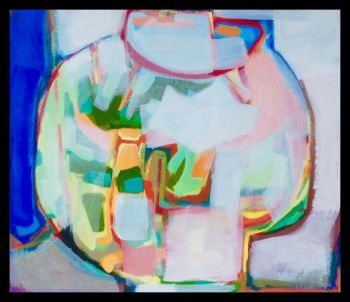
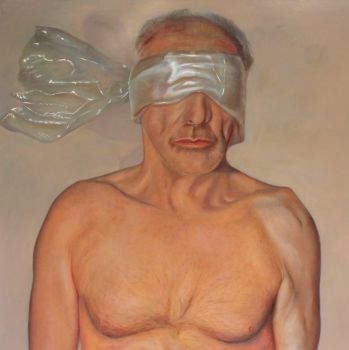
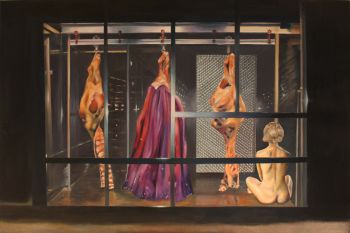
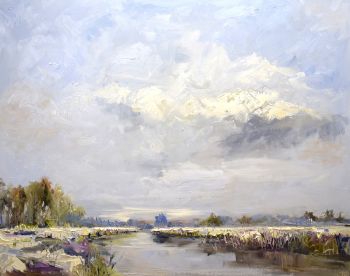
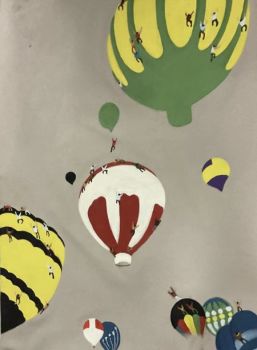
Gafni's style was characterized by the use of subtle color nuances, fragile lines, and symbolic motifs. She drew from her Israeli background, but also from European art traditions and personal reflections on migration, identity, and transience. Much of her work has a meditative, almost sacred atmosphere, inviting the viewer to stillness and reflection.
Besides her own practice, Gafni taught and was active in artist collectives in Delft and the surrounding area. She was known as a warm and critical spirit, who encouraged younger artists to find their own voice.
Pnina Gafni died in Delft in 2003. She left behind an oeuvre that still resonates with its understated power and emotional depth. Her work can be found in private collections and has been exhibited occasionally in the Netherlands and Israel. She will be remembered as an artist who managed to connect cultures and experiences in a visual language that is both personal and universal.
Artworks
Filter Artworks
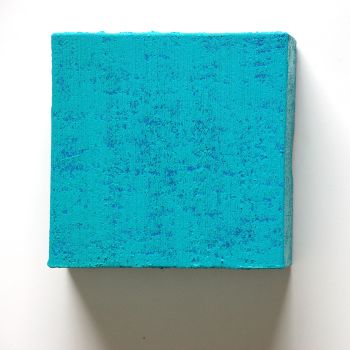
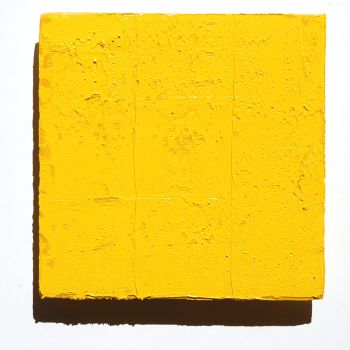
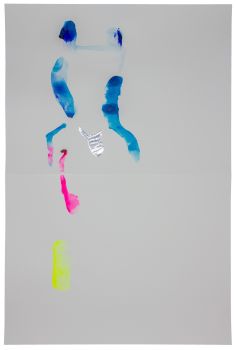
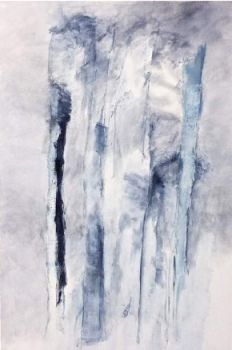
2 artworks for sale by Pnina Gafni