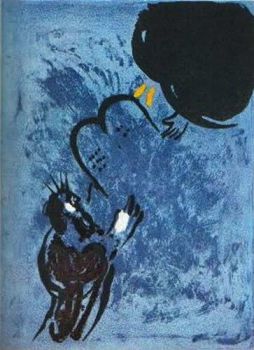
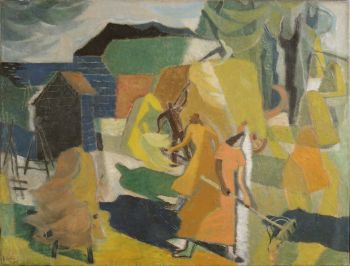
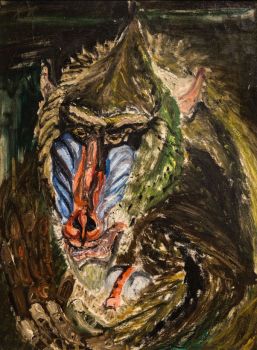
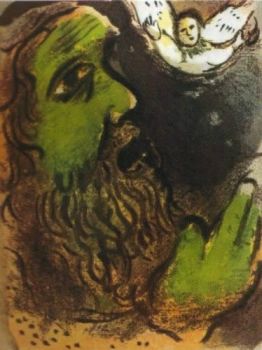
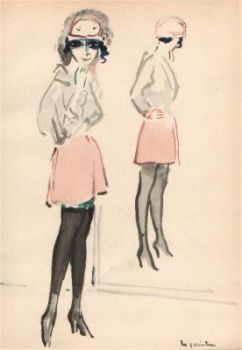
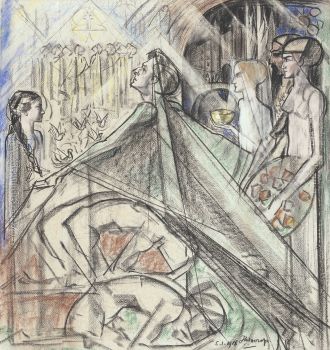
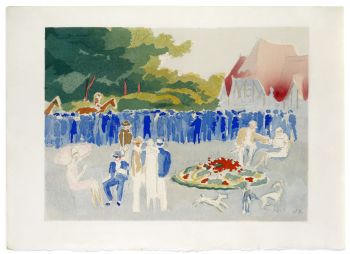
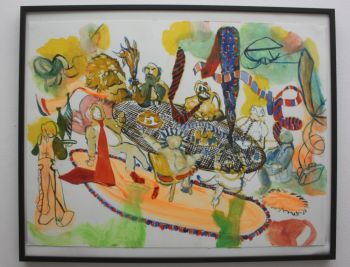
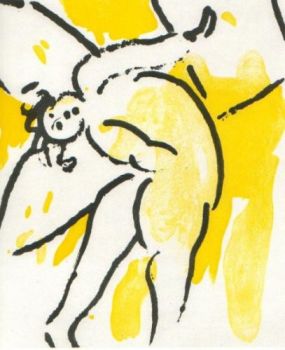
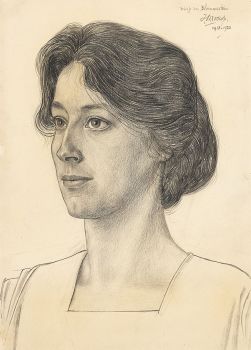
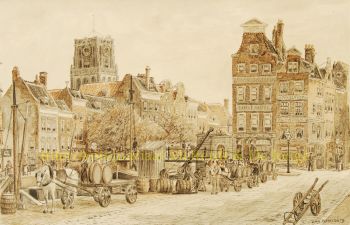
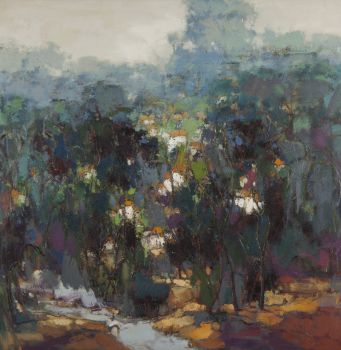
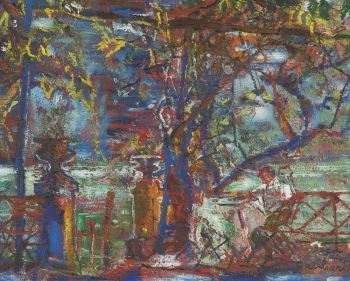
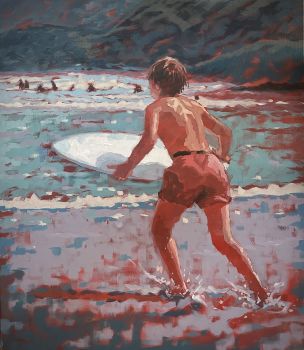
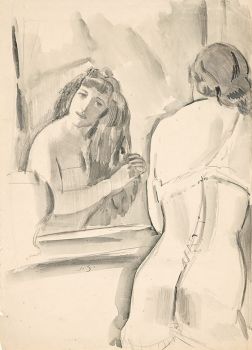
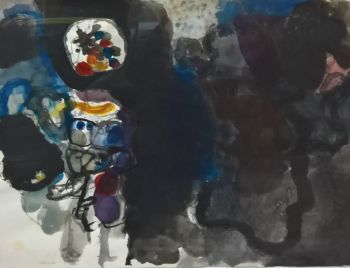
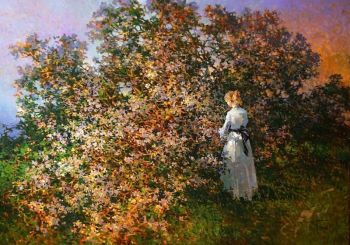
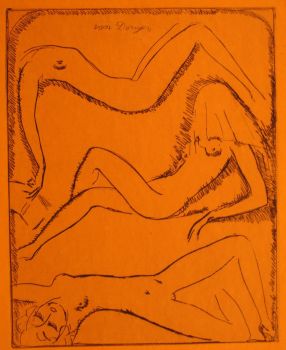
Leendert "Leo" Gestel (Woerden, 11 November 1881 – Hilversum, 26 November 1941) was a prominent Dutch painter and draftsman, known for his versatile experiments with various modern movements such as cubism, expressionism, futurism and post-impressionism. Together with contemporaries such as Piet Mondrian and Jan Sluijters, he is considered a pioneer of Dutch modernism.
Early life and education
Gestel was born into an artistic family; his father, Willem Gestel, was the director of a drawing school and his uncle, Dimmen Gestel, had painted with Vincent van Gogh. He received his first artistic education from his father and uncle. Despite financial challenges, Gestel worked as an illustrator for books and advertisements, including for Philips, to support himself.
Artistic development and influences
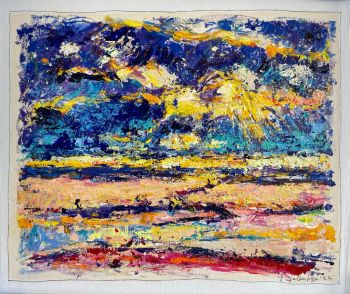
During a stay in Paris, Gestel came into contact with the avant-garde movements of the time, which strongly influenced his artistic development. In 1913 he was given the opportunity to exhibit his work at the "Erster Deutscher Herbstsalon" in Berlin, organized by Herwarth Walden. During the summers he often stayed in Bergen, where he joined the Bergen School. His work from this period shows a unique synthesis of different styles, combining elements of luminism, fauvism and cubism.
Personal life and setbacks
In 1929 Gestel was confronted with a major setback when a fire destroyed his studio, destroying most of his works. After this event he moved to Blaricum, where he continued his artistic activities. Despite this setback Gestel continued to experiment and innovate within his work.
Legacy
Leo Gestel left behind a diverse and influential oeuvre that makes an important contribution to Dutch art history. His works are included in the collections of various museums, including the Stedelijk Museum Alkmaar, the Drents Museum in Assen and the Kröller-Müller Museum in Otterlo. His constant search for innovation and his ability to integrate different styles mark him as one of the most versatile and innovative artists of his time.