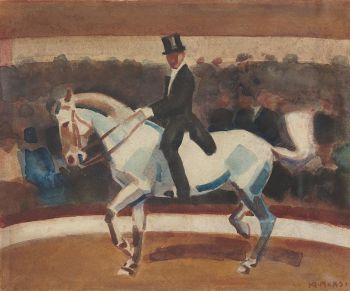
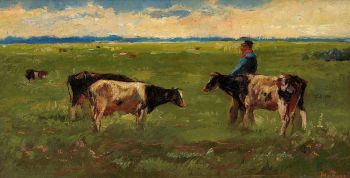
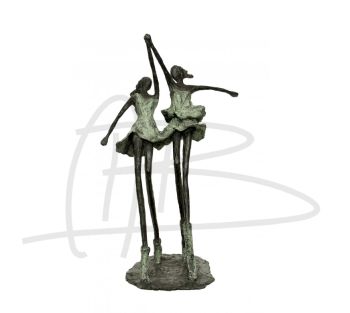
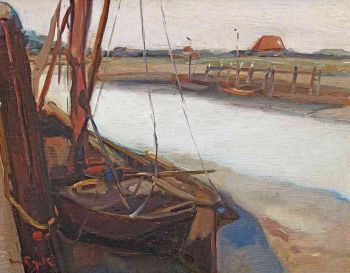
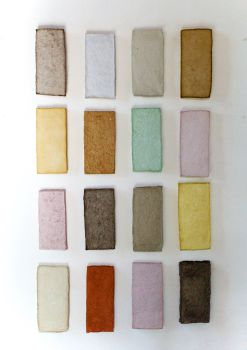
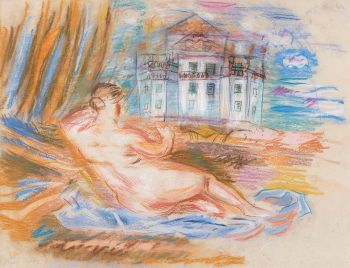
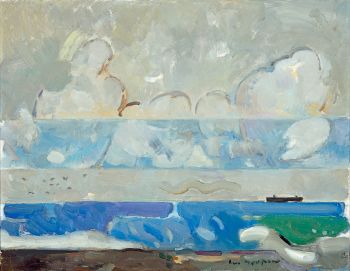
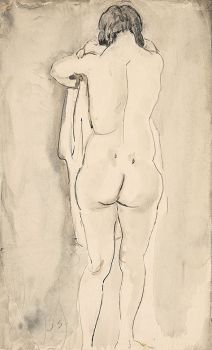
Margaritha Sara 'Greet' de Gruyter-Feuerstein (Aardenburg, 29 April 1893 – The Hague, 4 February 1986) was a versatile Dutch artist, known as a watercolourist, painter, graphic artist, illustrator, pastellist, draftsman, pen artist and textile artist.
Education and early career
After her education at the domestic science school in Amersfoort in 1911, Greet Feuerstein was given the opportunity to take lessons at the Royal Academy of Art in The Hague. Initially she studied under Albert Roelofs, but found his approach unsuitable and decided to find her own way. This search led her to Jan Toorop, with whom she became an apprentice. Through Toorop she also met his daughter, Charley Toorop, which influenced her further development.
Personal life
In 1926 Greet married art critic and museum director W. Jos. de Gruyter. The couple settled in Soesterberg and later in The Hague. Together they had several children. After their divorce in 1948, Greet continued to live in The Hague, where she continued her artistic career.
Artistic development and style
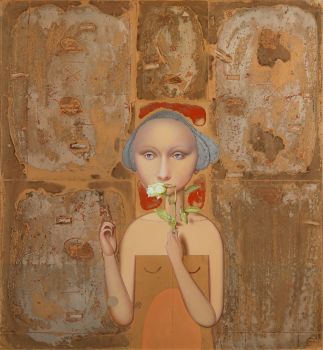
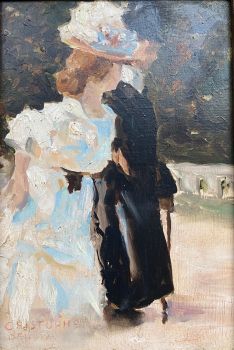
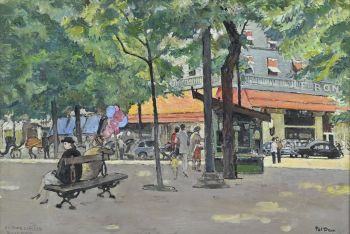
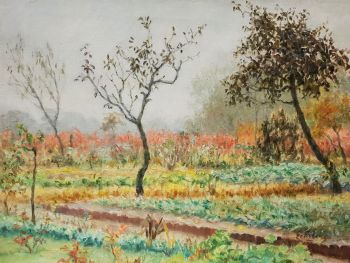
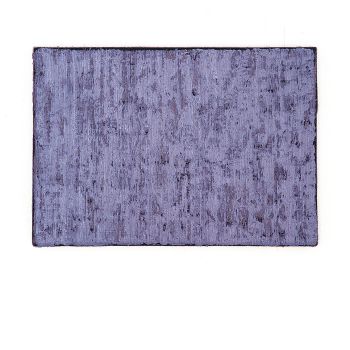
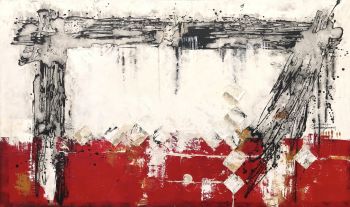
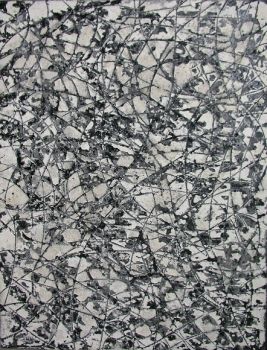
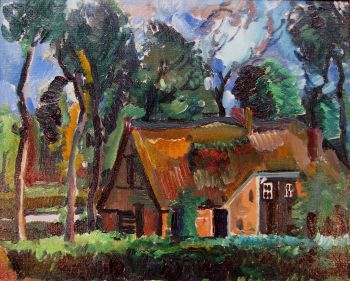
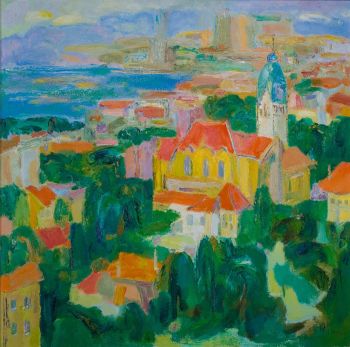
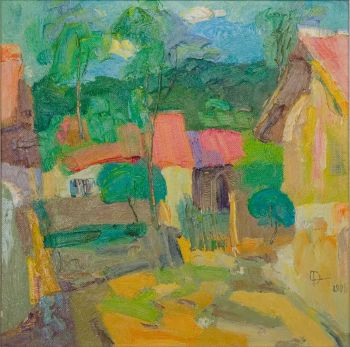
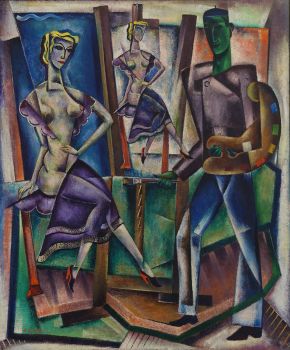
Greet Feuerstein's oeuvre shows a clear distinction between her pre-war and post-war works. Her early portraits show similarities with those of Charley Toorop, characterized by firm brushstrokes and tight shapes. After the Second World War, her style evolved towards a lighter and more organic approach, with brighter colors and exotic motifs. This development is visible in both her portraits and still lifes.
Exhibitions and memberships
After the war, Greet became a member of Pulchri Studio in The Hague, where she exhibited regularly. Her work was exhibited in, among others, the Stedelijk Museum Amsterdam (1929) and Het Kunstcentrum in The Hague (1962-1963). Despite her modest oeuvre, partly due to her tendency to destroy works, she left a lasting impression on the Dutch art world.
Legacy
Greet de Gruyter-Feuerstein died on 4 February 1986 in The Hague. Her work is still appreciated and studied, and offers insight into the evolution of Dutch painting in the 20th century.