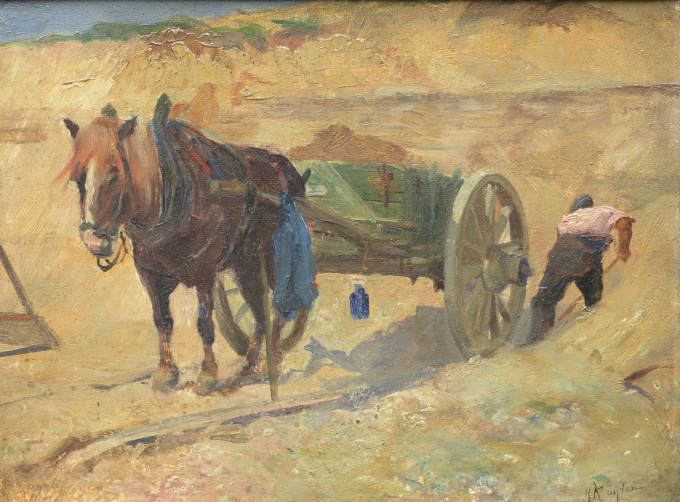
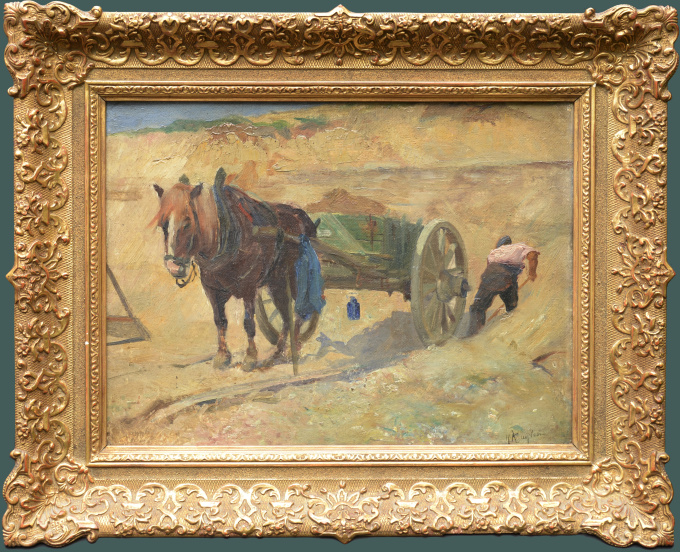
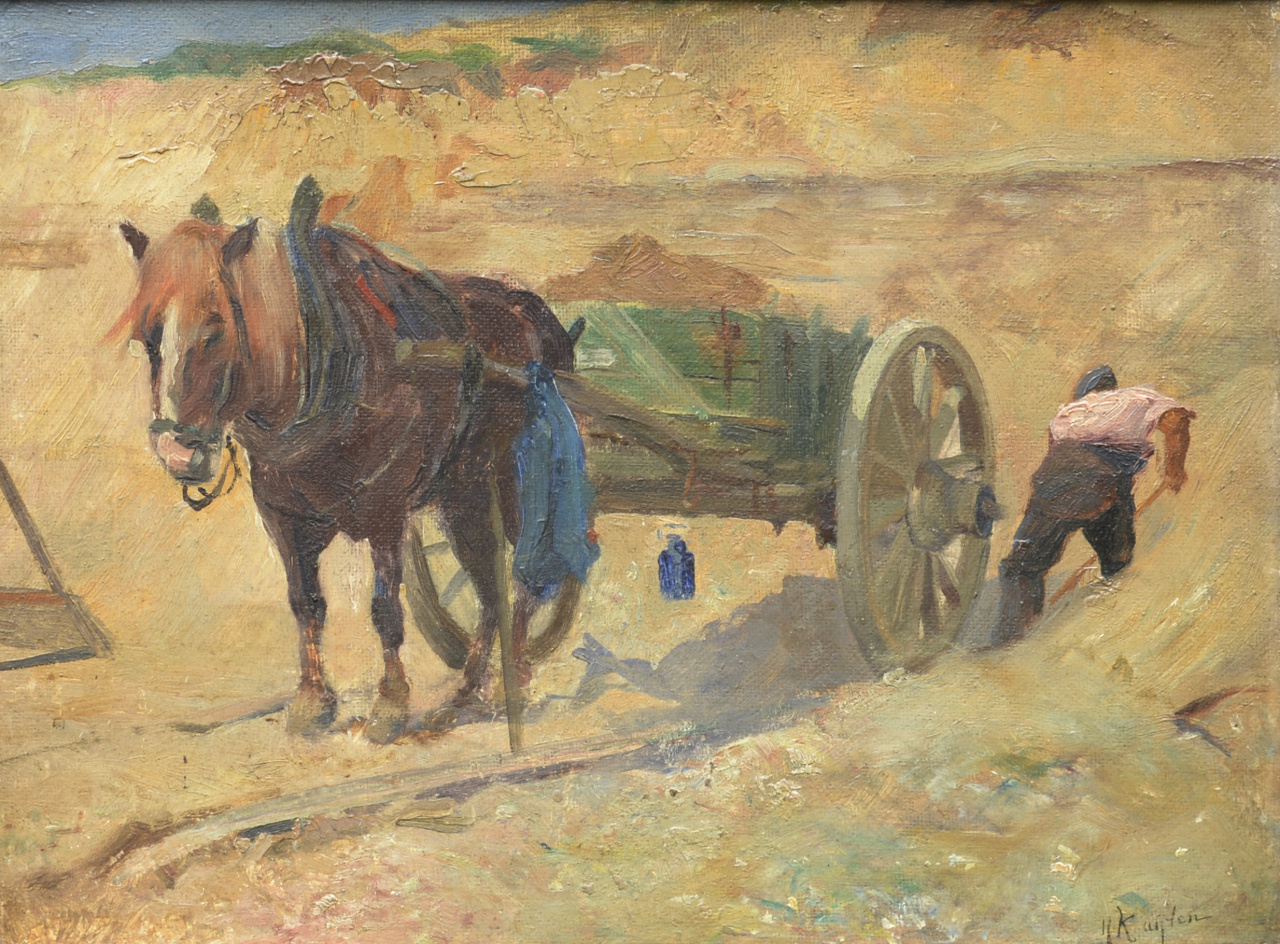
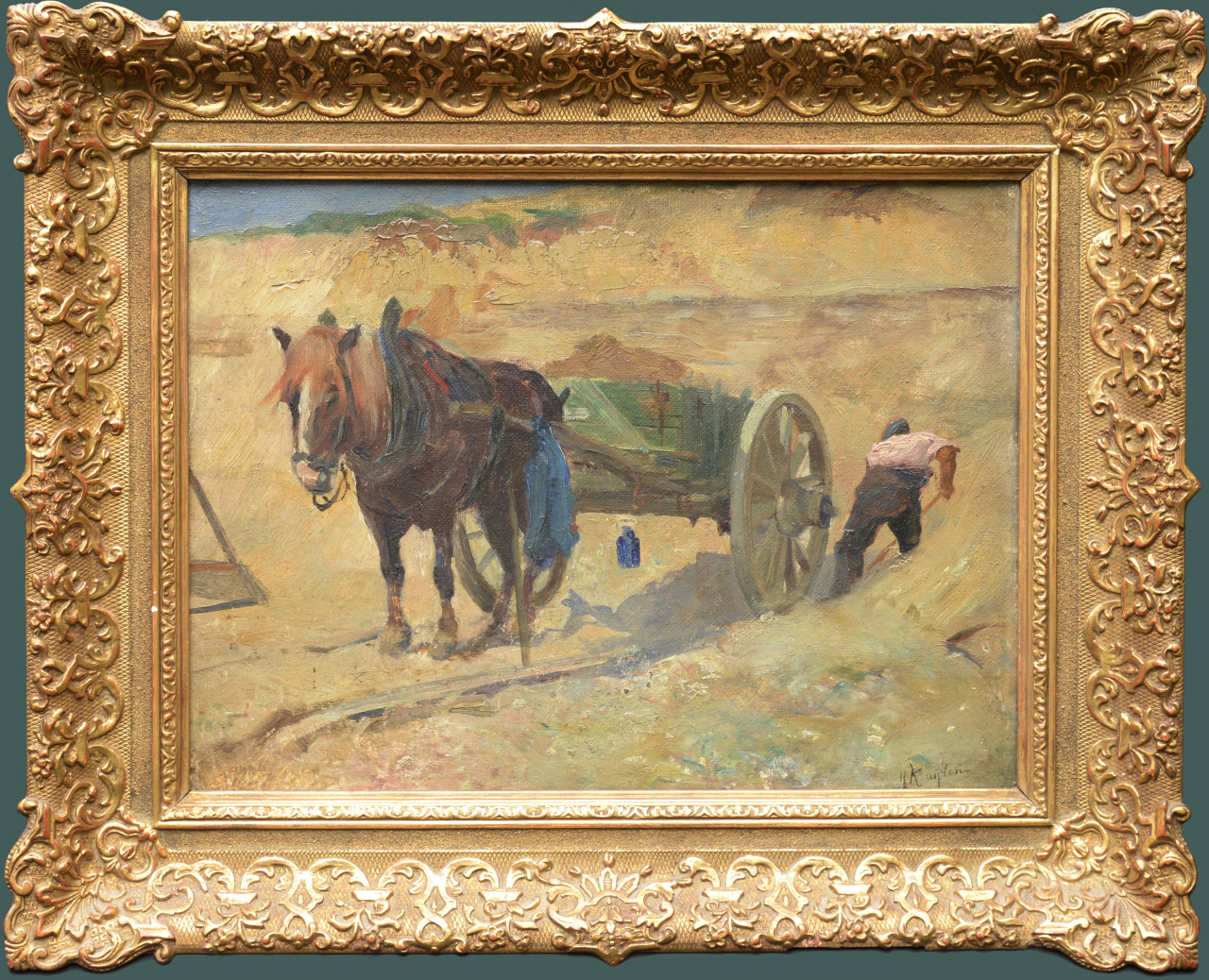
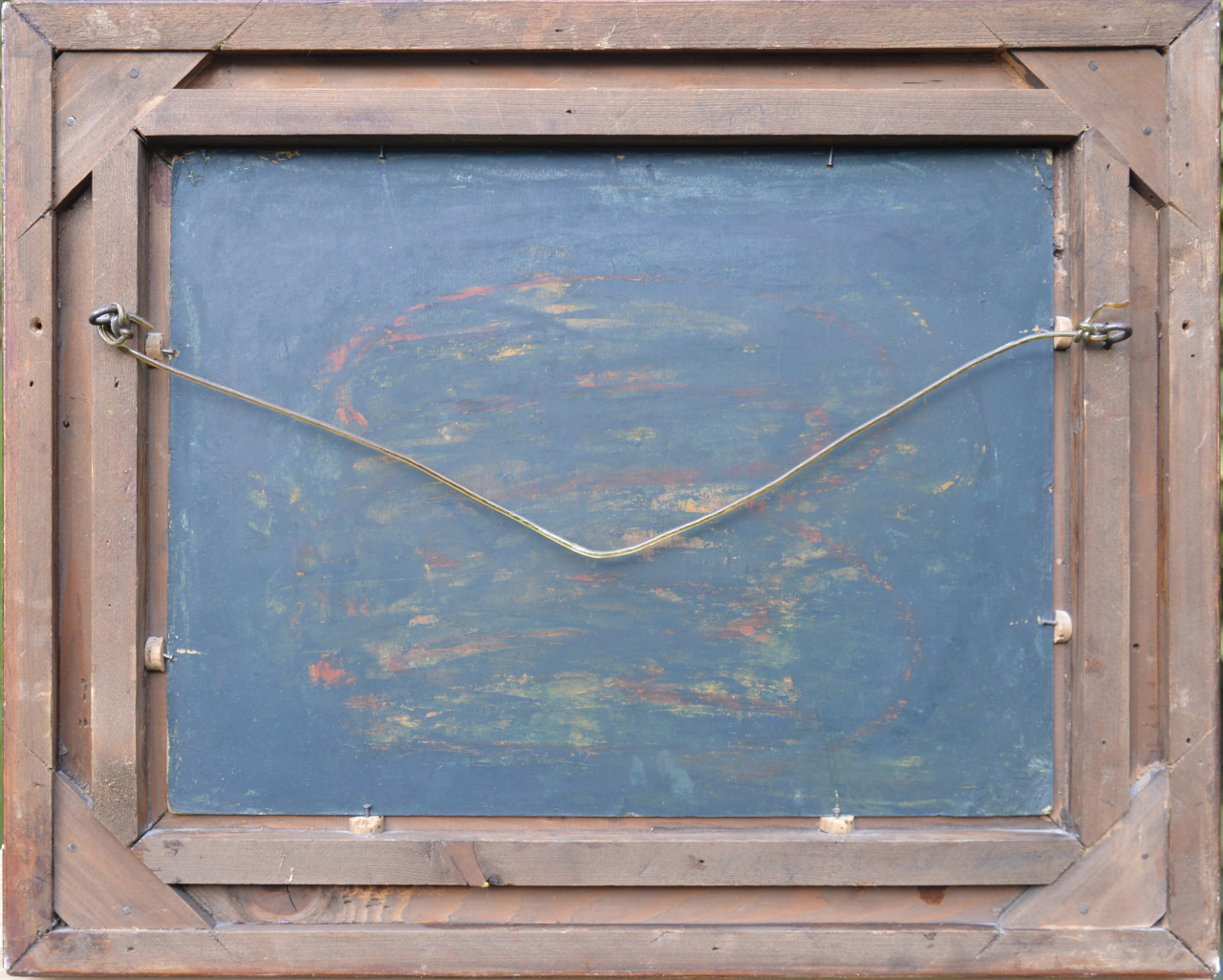
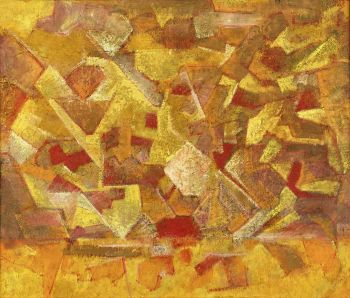
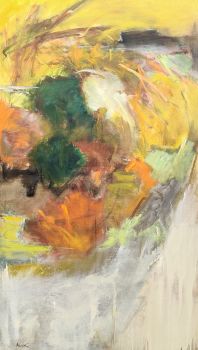
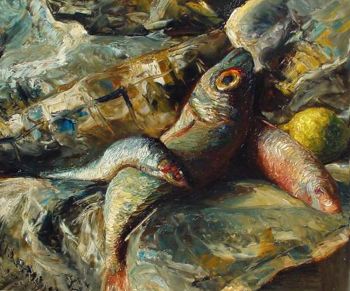
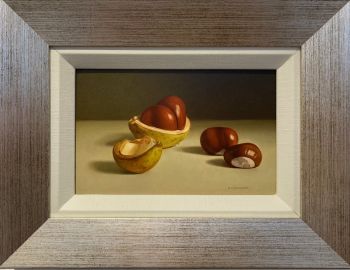
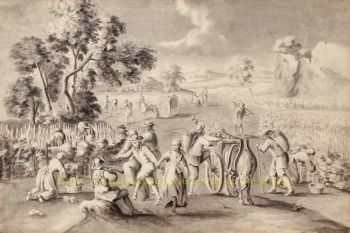
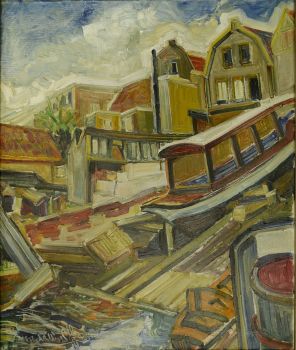
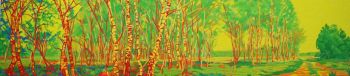
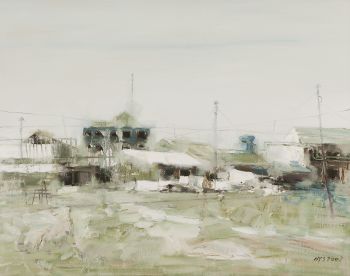
Düsseldorf excavation, around 1912 1912
Artiste Inconnu
Peinture à l'huilePeindre
38 ⨯ 28 cm
ConditionVery good
Actuellement indisponible via Gallerease
- Sur l'oeuvre d'artHarrie Kuyten was born in Utrecht. When the young Harrie Kuyten loses both parents at the age of thirteen, he goes to an orphanage. There his artistic talent is first noticed. He studied at the academy of visual arts in Antwerp. Approx. 1904-1905. Enjoyed the royal grant for 3 years.
He mainly painted, drew and lithographed figures (many nudes), landscapes, cityscapes, beach and seascapes and still lifes. As a painter he is well known for the use of striking and sensitive colors.
He is often counted as part of the Bergen school. While he was much more autonomous.
Jan Juffermans' monograph states the following:
"A spirited man with an open character, a freebooter, an independent figure, practical and alert enough to earn a good living, even in the very difficult crisis years with painting, his greatest love, for his family and himself. In the land of Van Gogh, where in many eyes all hunger, self-punishment and frustration can lead to the very highest artistic expressions, a painter with such an attitude is soon viewed with suspicion, and Kuyten's uncomplicated way of painting, his playful choice of subjects and his often vivacious color scheme certainly stood in the way of a more general recognition of his work.
In Harrie Kuyten's monograph by Jan Juffermas, page 27 shows an image of a sand quarry in Düsseldorf, 1912. This work is closely related to this image. That is why I also place this work around this time as being a sand excavation there.
Sources: de rode Scheen, Lexicon Dutch Visual Artists, 1750-1950: Harrie Kuyten by Jan Juffermans. - Sur l'artiste
Il peut arriver qu'un artiste ou un créateur soit inconnu.
Certaines œuvres ne doivent pas être déterminées par qui elles sont faites ou elles sont faites par (un groupe d') artisans. Les exemples sont des statues de l'Antiquité, des meubles, des miroirs ou des signatures qui ne sont pas claires ou lisibles, mais aussi certaines œuvres ne sont pas signées du tout.
Vous pouvez également trouver la description suivante :
•"Attribué à …." A leur avis probablement une oeuvre de l'artiste, au moins en partie
•« Atelier de …. ou « Atelier de » À leur avis, une œuvre exécutée dans l'atelier ou l'atelier de l'artiste, éventuellement sous sa direction
•« Cercle de… ». A leur avis une oeuvre de la période de l'artiste témoignant de son influence, étroitement associée à l'artiste mais pas forcément son élève
•« Style de … ». ou "Suiveur de ...." Selon eux, une œuvre exécutée dans le style de l'artiste mais pas nécessairement par un élève ; peut être contemporain ou presque contemporain
•« Manière de… ». A leur avis une oeuvre dans le style de l'artiste mais d'une date plus tardive
•"Après …." A leur avis une copie (quelle qu'en soit la date) d'une oeuvre de l'artiste
•« Signé… », « Daté… ». ou « Inscrit » À leur avis, l'œuvre a été signée/datée/inscrite par l'artiste. L'ajout d'un point d'interrogation indique un élément de doute
• "Avec signature ….", "Avec date ….", "Avec inscription …." ou "Porte signature/date/inscription" à leur avis la signature/date/inscription a été ajoutée par quelqu'un d'autre que l'artiste

Artwork details
Related artworks
Artiste Inconnu
Icône monumentale en bois: Saint Nicolas de Mozaisk1600 - 1650
Prix sur demandeKunsthandel H.W.C. Dullaert Icons
1 - 4 / 12
Sélectionné parGallerease Magazine
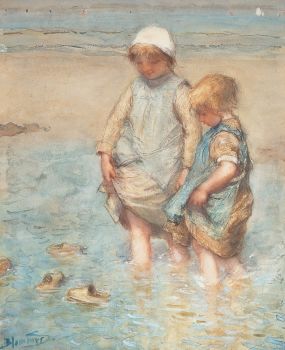
Bernardus Johannes Blommers
SPELENDE VISSERSKINDEREN1845 - 1914
Prix sur demandeGalerie Het Noorderlicht
1 - 4 / 24- 1 - 4 / 24