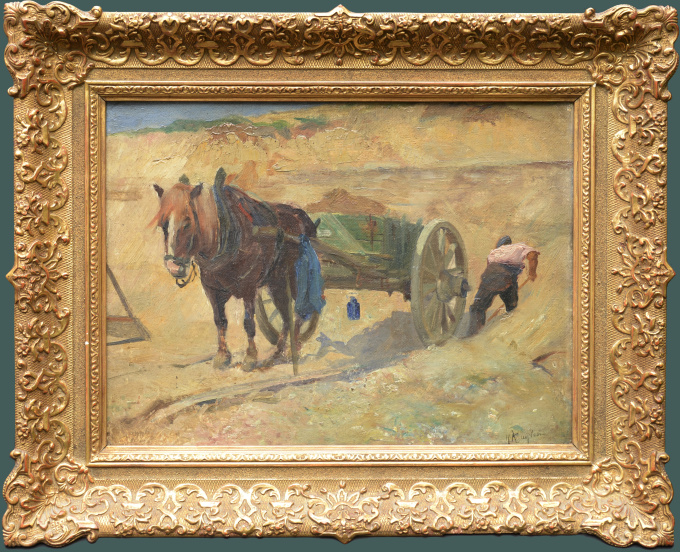
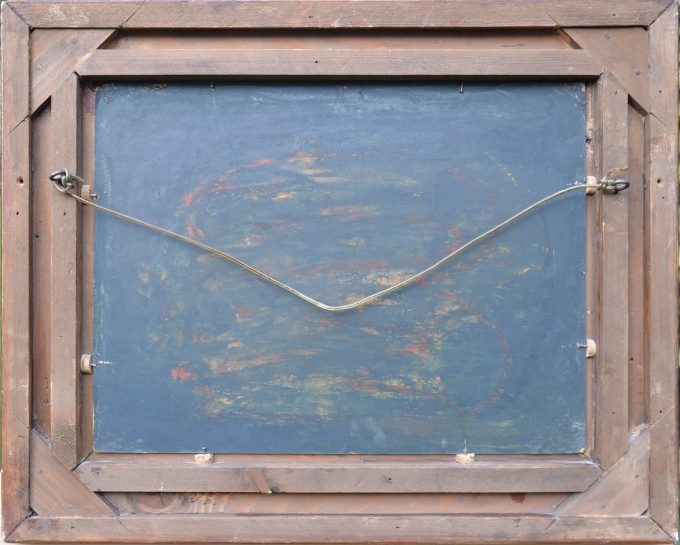
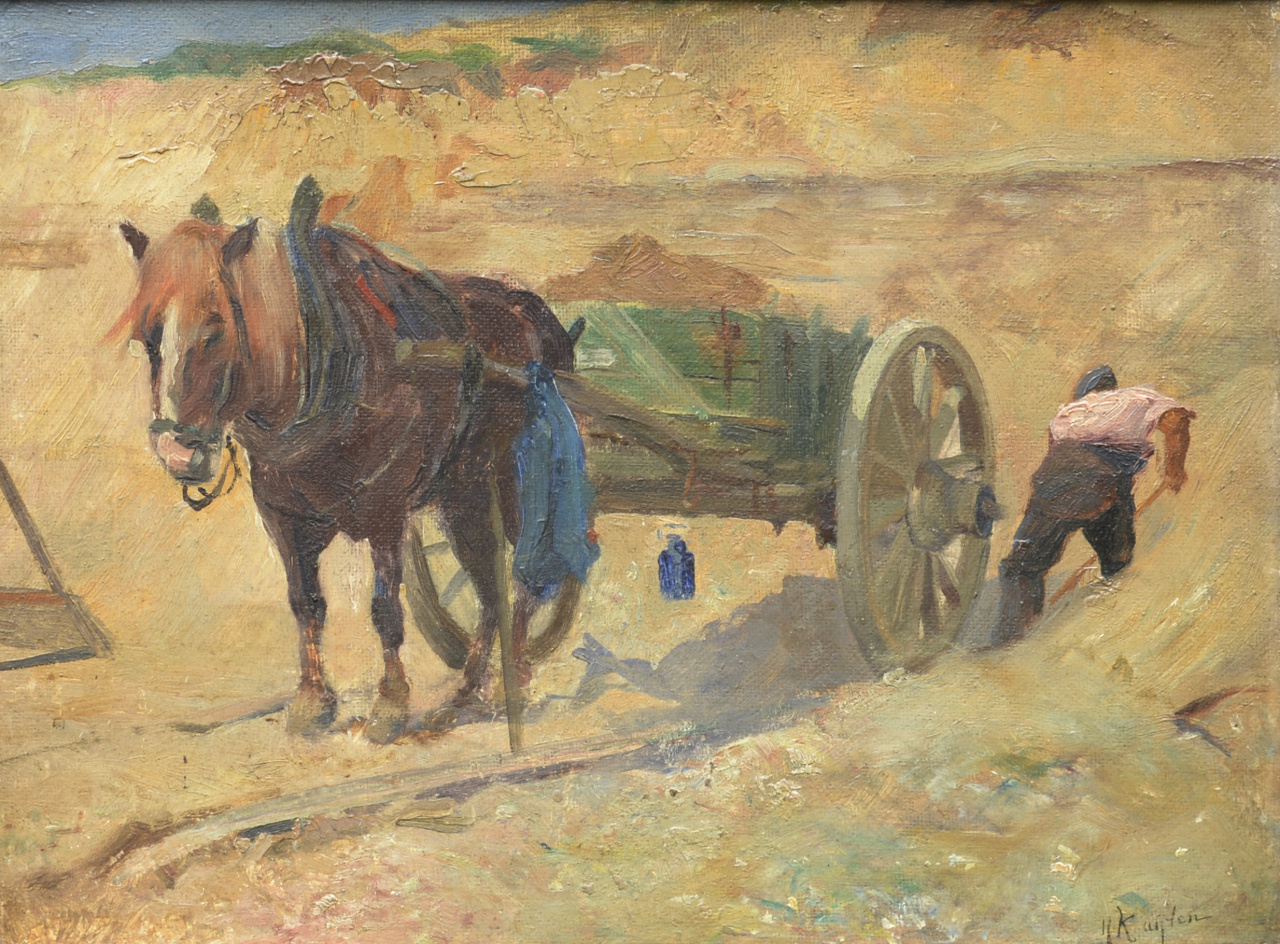
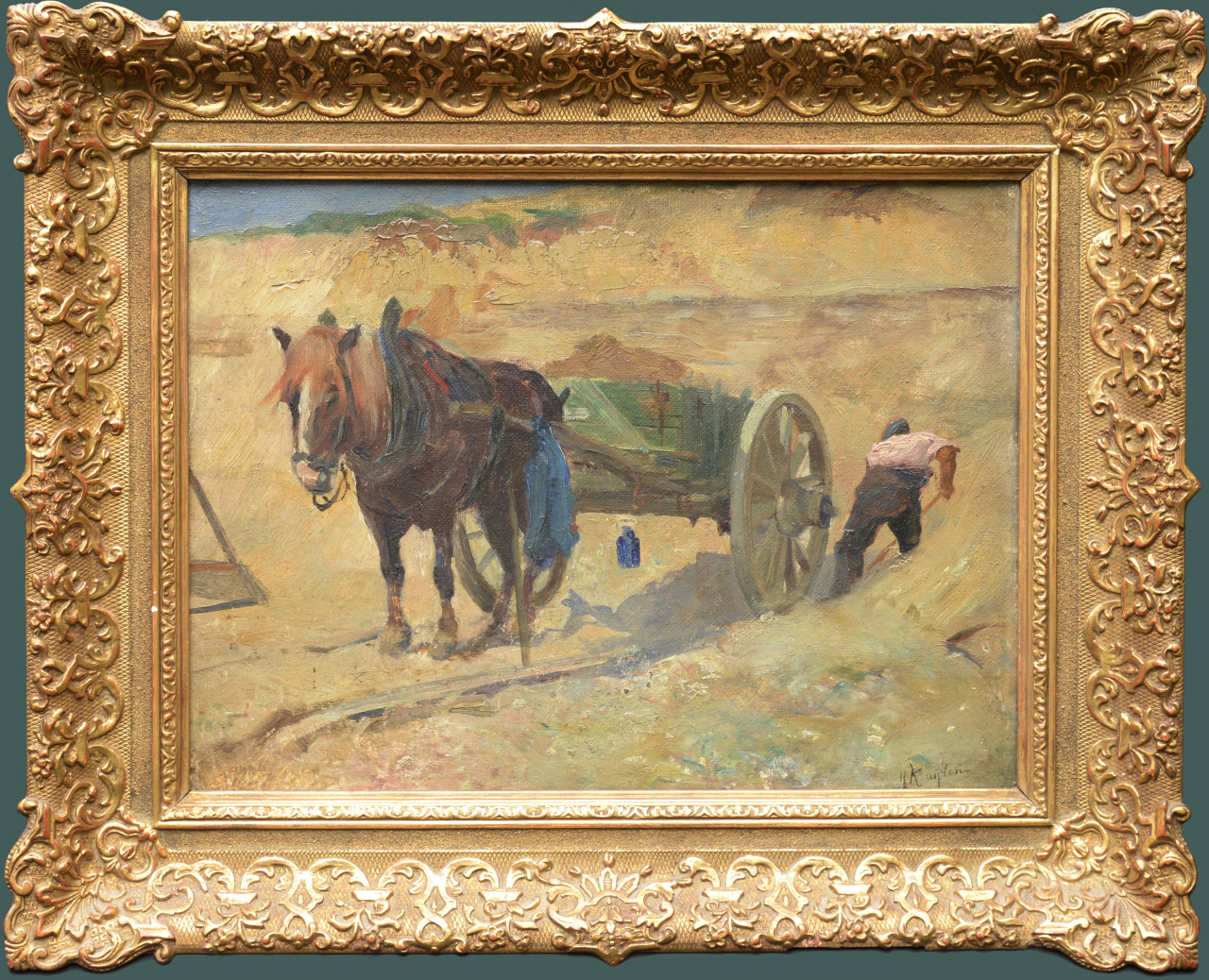
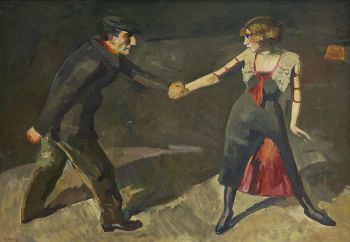
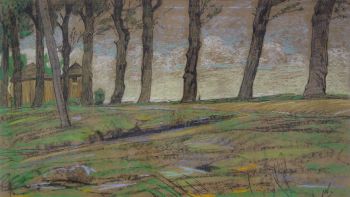
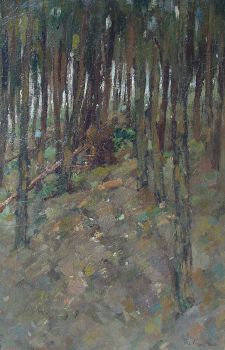
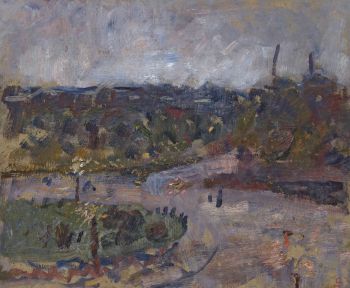
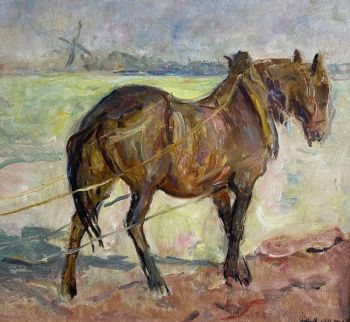
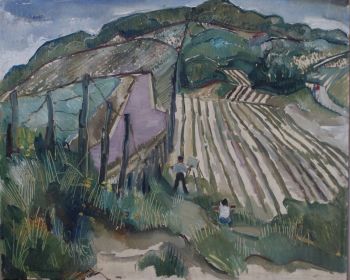
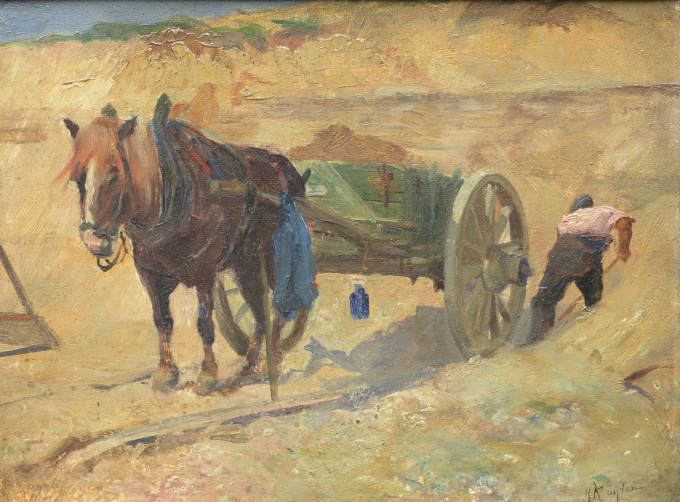
Düsseldorf excavation, around 1912 by Unknown artist

Düsseldorf excavation, around 1912 1912

Unknown artist

Oil paintPaint
38 ⨯ 28 cm
ConditionVery good
Currently unavailable via Gallerease

  • About the artwork
    Harrie Kuyten was born in Utrecht. When the young Harrie Kuyten loses both parents at the age of thirteen, he goes to an orphanage. There his artistic talent is first noticed. He studied at the academy of visual arts in Antwerp. Approx. 1904-1905. Enjoyed the royal grant for 3 years.

    He mainly painted, drew and lithographed figures (many nudes), landscapes, cityscapes, beach and seascapes and still lifes. As a painter he is well known for the use of striking and sensitive colors.

    He is often counted as part of the Bergen school. While he was much more autonomous.
    Jan Juffermans' monograph states the following:
    "A spirited man with an open character, a freebooter, an independent figure, practical and alert enough to earn a good living, even in the very difficult crisis years with painting, his greatest love, for his family and himself. In the land of Van Gogh, where in many eyes all hunger, self-punishment and frustration can lead to the very highest artistic expressions, a painter with such an attitude is soon viewed with suspicion, and Kuyten's uncomplicated way of painting, his playful choice of subjects and his often vivacious color scheme certainly stood in the way of a more general recognition of his work.

    In Harrie Kuyten's monograph by Jan Juffermas, page 27 shows an image of a sand quarry in Düsseldorf, 1912. This work is closely related to this image. That is why I also place this work around this time as being a sand excavation there.

    Sources: de rode Scheen, Lexicon Dutch Visual Artists, 1750-1950: Harrie Kuyten by Jan Juffermans.

  • About the artist

    It might happen that an artist or maker is unknown.

    Some works are not to be determined by whom it is made or it is made by (a group of) craftsmen. Examples are statues from the Ancient Time, furniture, mirroirs, or signatures that are not clear or readible but as well some works are not signed at all.

    As well you can find the following description:

    •“Attributed to ….” In their opinion probably a work by the artist, at least in part

    •“Studio of ….” or “Workshop of” In their opinion a work executed in the studio or workshop of the artist, possibly under his supervision

    •“Circle of ….” In their opinion a work of the period of the artist showing his influence, closely associated with the artist but not necessarily his pupil

    •“Style of ….” or “Follower of ….” In their opinion a work executed in the artist’s style but not necessarily by a pupil; may be contemporary or nearly contemporary

    •“Manner of ….” In their opinion a work in the style of the artist but of a later date

    •“After ….” In their opinion a copy (of any date) of a work of the artist

    •“Signed…”, “Dated….” or “Inscribed” In their opinion the work has been signed/dated/inscribed by the artist. The addition of a question mark indicates an element of doubt

    •"With signature ….”, “With date ….”, “With inscription….” or “Bears signature/date/inscription” in their opinion the signature/ date/ inscription has been added by someone other than the artist

Artwork details

Category
Material & Technique