About the artist
Louis Neillot was born on February 11, 1898, in Vichy, France, the son of Jean Neillot, a gardener and florist, and his wife Louise Barghon. He grew up in an environment dominated by nature, plants, and gardens, which later fueled his fascination with landscapes, flowers, and still lifes. (He is also often referred to as a "Fauvist" or influenced by Fauvism.)
During the First World War, Neillot was mobilized; he was exposed to gas, and after recovering, he returned to civilian life. He then moved to Paris, where he moved in artistic and literary circles. At the same time, he maintained strong ties with his native region: he often spent the summers in the Bourbonnais region, including in Cusset, Creuzier-le-Neuf, and later in Saulcet. He owned a house, "Le Verger," in Saulcet, where he worked for extended periods.
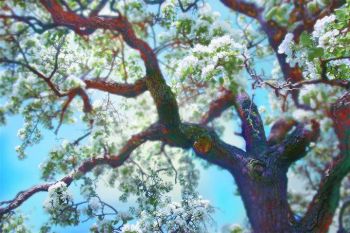
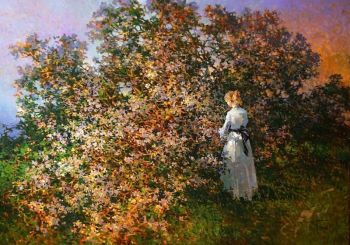
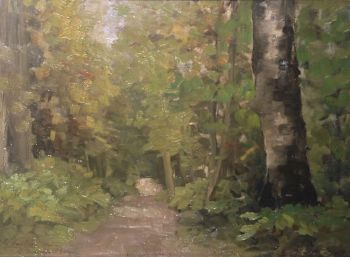
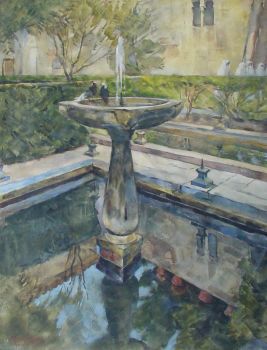
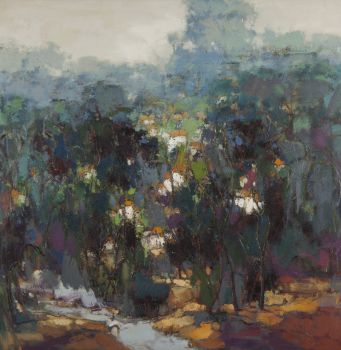
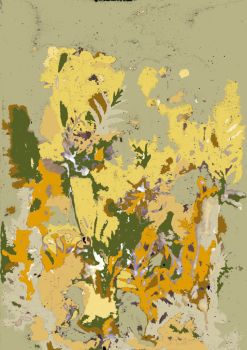
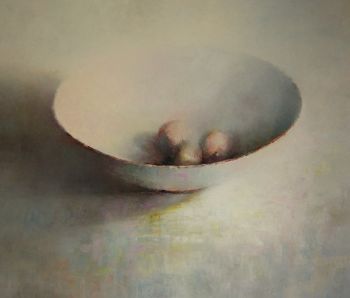
His artistic oeuvre includes landscapes, still lifes, nudes, flowers, and trees from his own garden. His work demonstrates a powerful use of color, often inspired by the nature around him. He admired Cézanne, and that influence is sometimes palpable in his compositions and color composition. In addition to paintings, he also created illustrations and contributed to books—for example, he illustrated Raymond Escholier's Le Sel de la Terre (1937) and François Mauriac's Les Anges noirs (1938).
Neillot participated in various salons and exhibitions in France: he exhibited at the Salon des Indépendants, the Salon d’Automne, and the Salon des Tuileries. He even held the position of vice-president of the Salon des Indépendants. He also resided in artistic studios such as La Ruche from approximately 1928 to 1934.
From 1958 onward, he regularly stayed at his house in Saulcet and worked there for many months each year. In Paris, he lived for a long time in the Cité Fleurie (65 boulevard Arago). He died in 1973 in Le Kremlin-Bicêtre, near Paris, and was buried in Saulcet, near Saint-Pourçain-sur-Sioule. He is sometimes referred to as "the last representative of Fauvism."
Since his death, numerous tributes have been dedicated to him: a room in the municipal museum of Vichy is called Salle Neillot; streets, schools, and squares in his native region have been named after him. His work continues to be sold at auction in France and abroad, and his oeuvre is a popular subject for collectors of colorful, expressive landscapes and still lifes.