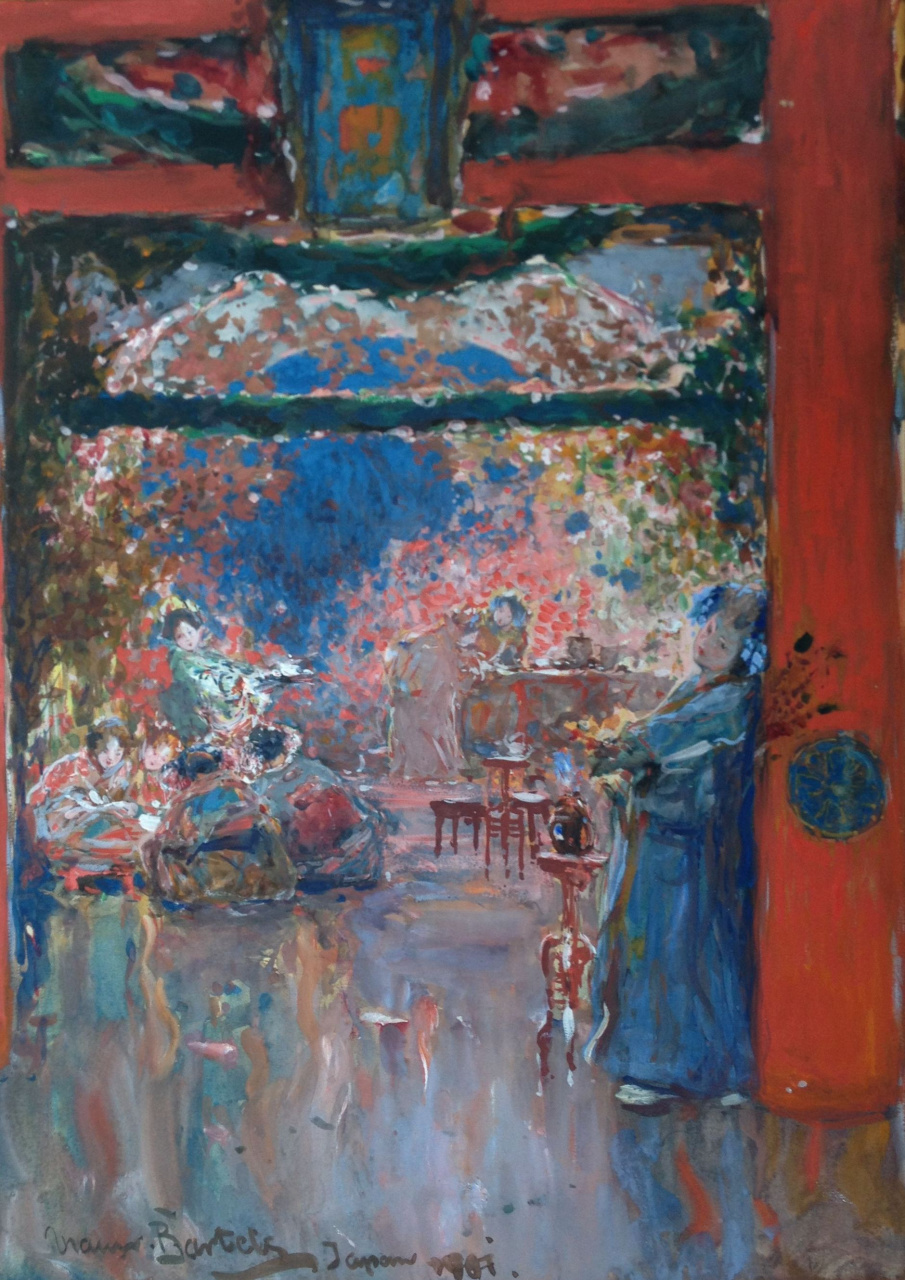
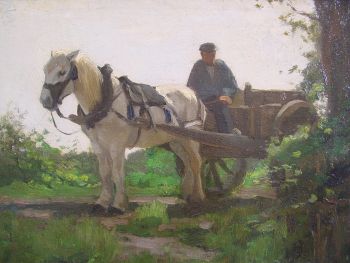
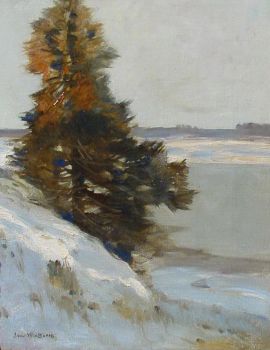
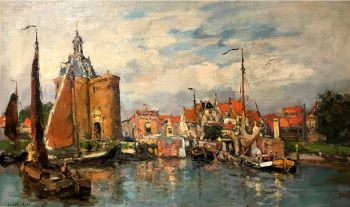
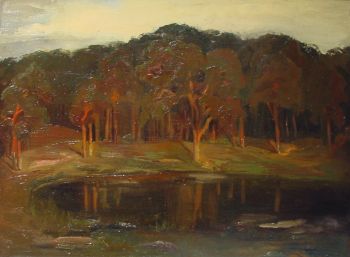
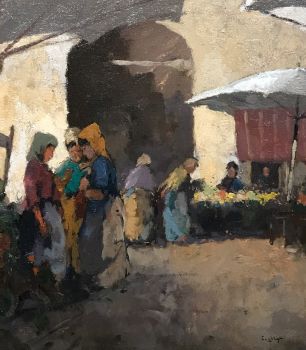
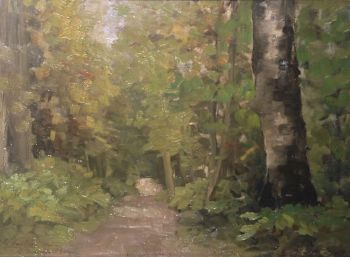
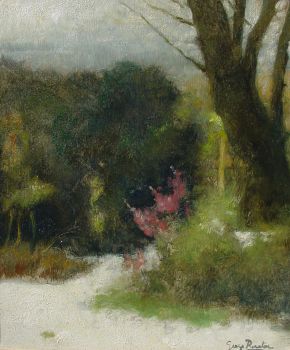
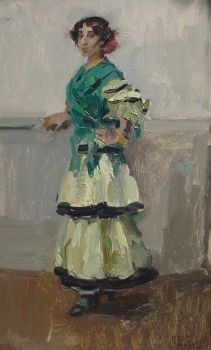
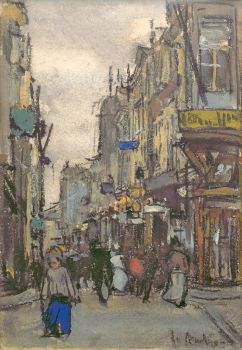
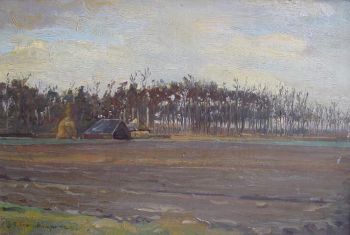
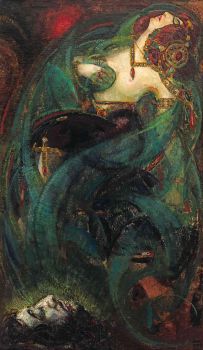
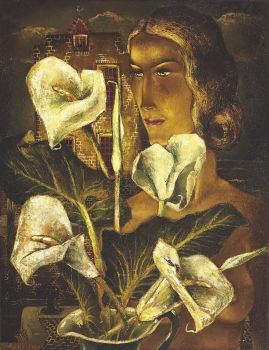
Hans von Bartels was an influential German painter and one of the most important representatives of late 19th-century Impressionism within maritime and genre painting. Born in Hamburg and later working from Munich, he achieved international fame with his vivid depictions of life by the sea.
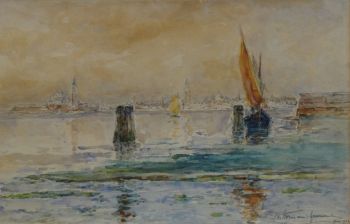
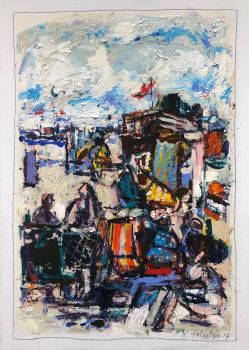
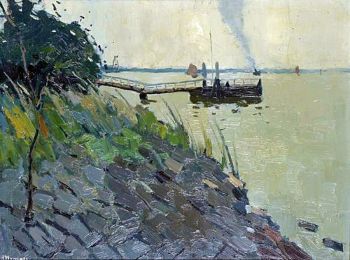
In the final decades of the 19th century, Von Bartels regularly worked in Katwijk aan Zee, where he captured the daily lives of fishermen, beaches, and boats. His work is characterized by a loose, impressionistic brushwork, a strong sense of light and movement, and a remarkably virtuoso use of watercolor and gouache—techniques he elevated to a fully-fledged artistic medium.
Besides oil paintings, Von Bartels achieved particular fame for his watercolors, in which he captured atmosphere and dynamism with a direct and fresh approach. His paintings combine realistic observation with an impressionistic sensibility and are among the most highly regarded maritime works of his generation.
Hans von Bartels's oeuvre remains highly sought after by collectors today and regularly appears on the art market. His work constitutes an important historical document of coastal life around 1900 and a timeless example of Impressionist painting.