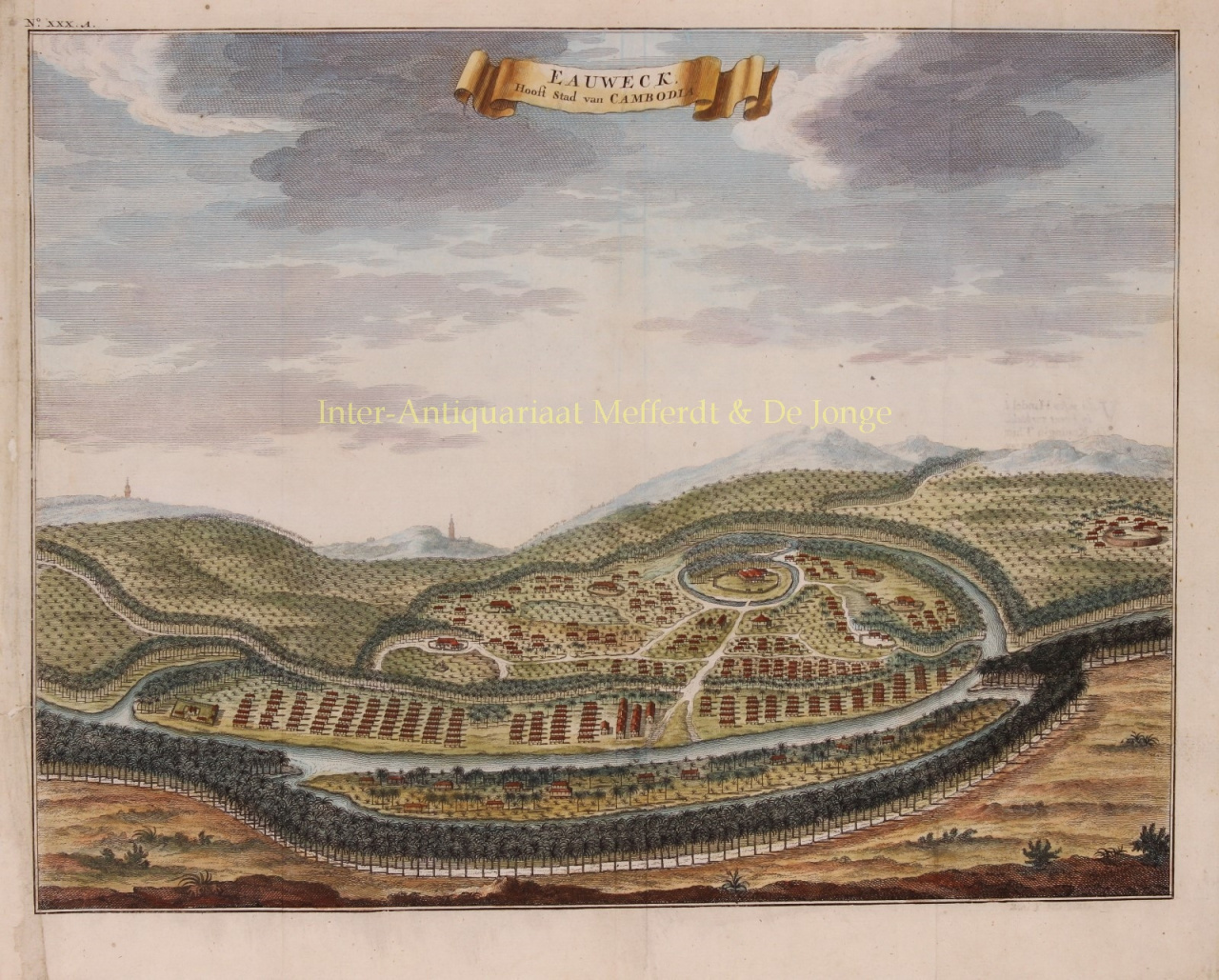
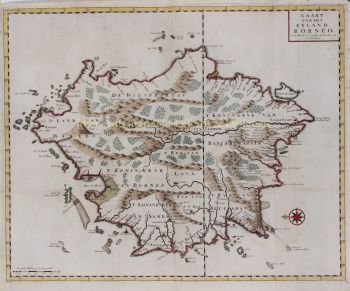
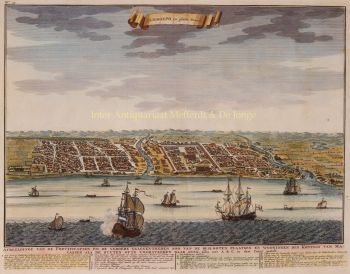
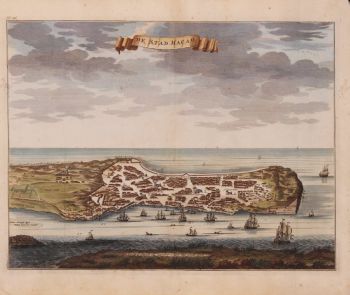
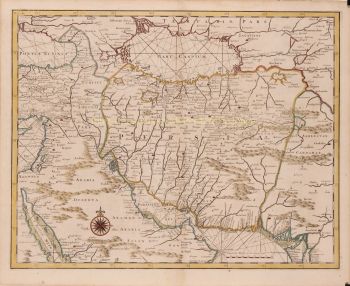
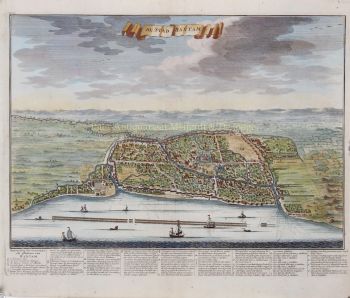
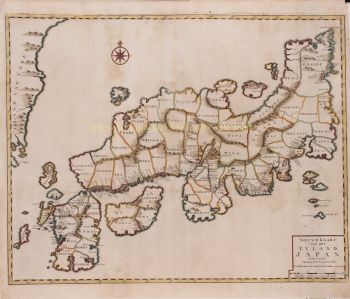
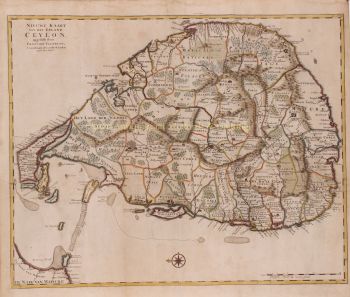
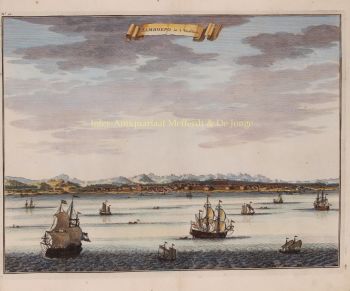
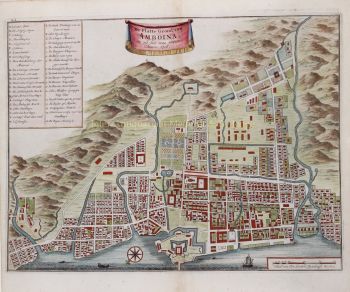
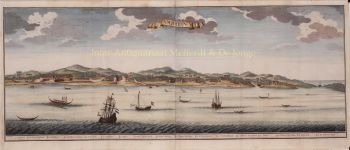
François Valentijn (Dordrecht, April 17, 1666 – The Hague, August 6, 1727) was a Dutch minister, historian, and chronicler of exceptional significance for the knowledge of Asia in the early eighteenth century. He was twice sent to "the East" in the service of the Dutch East India Company (VOC), an experience that formed the basis for his monumental life's work, Oud en Nieuw Oost-Indiën (Old and New East Indies).
After returning to the Netherlands, Valentijn devoted himself to compiling this extensive and unparalleled work, which has never been equaled in both its scope and level of detail. At a time when the VOC kept its information strictly confidential, he managed to amass a vast body of knowledge by utilizing all the oral and written sources he could obtain. His strength lay not only in his curiosity and tenacity, but also in his talent as a storyteller: Valentijn wrote vividly, precisely, and with a remarkably broad perspective.
In Oud en Nieuw Oost-Indiën (Old and New East Indies), he explicitly glorified Dutch power and empire in Asia. Valentijn was a staunch nationalist and saw it as his overarching mission to describe Dutch power in the East and thus demonstrate that the Republic had not lost the fortitude of its Batavian ancestors. In the preface to his work, he emphasized his desire to make visible the progress and glory of the Netherlands throughout the centuries.
This attitude earned him the reputation of a somewhat self-absorbed and vain historian. Yet, this criticism does little to detract from the enduring value of his work. It is precisely through his detailed descriptions that the interaction between Europeans and Asians becomes vividly visible: not only colonial power relations, but also cultural encounters, misunderstandings, and mutual influences are given a place in his narrative.
François Valentijn thus remains a complex figure: simultaneously nationalist and chronicler, preacher and historian, vain writer and indispensable source. His work remains a key text for understanding the Dutch presence in Asia and the broader world history of the early modern period.