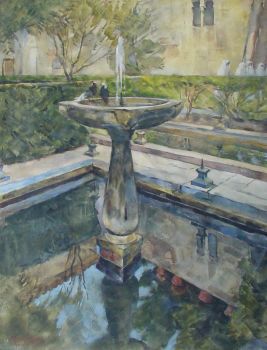
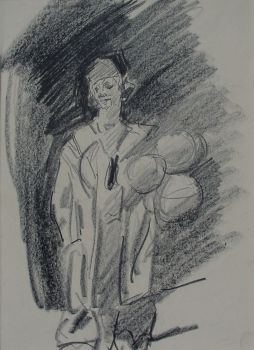
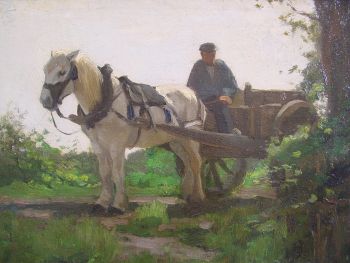
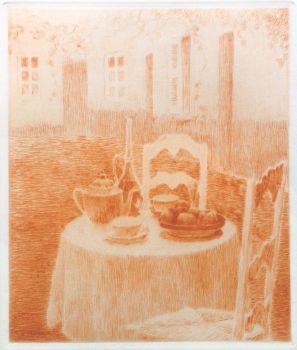
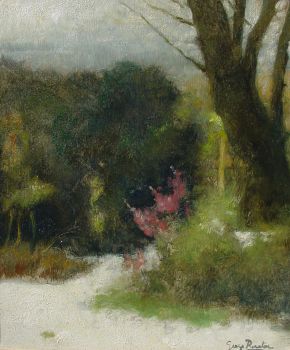
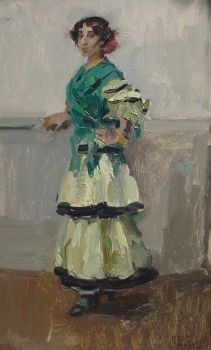
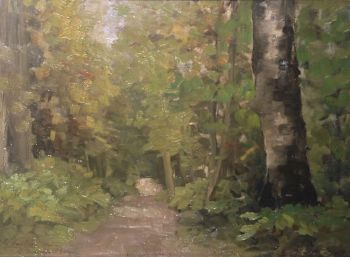
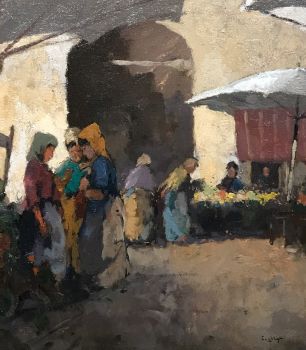
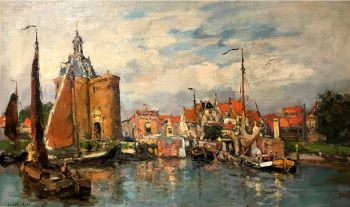
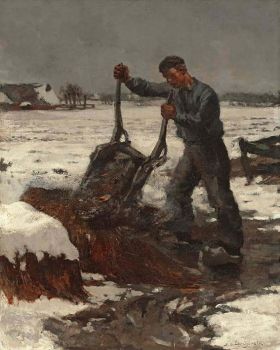
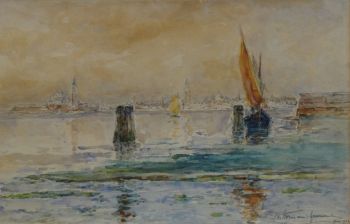
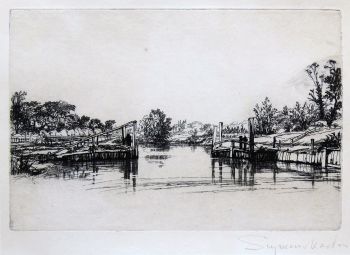
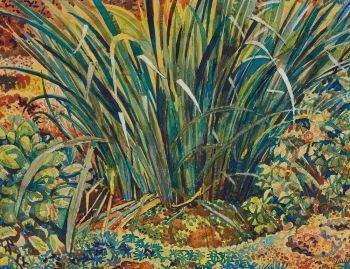
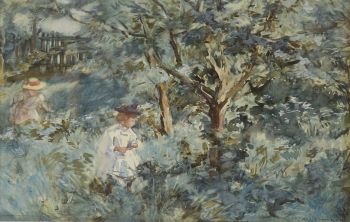
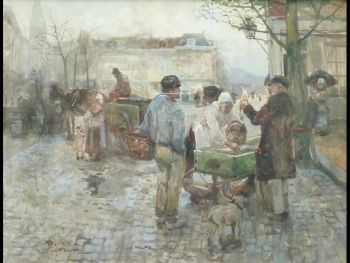
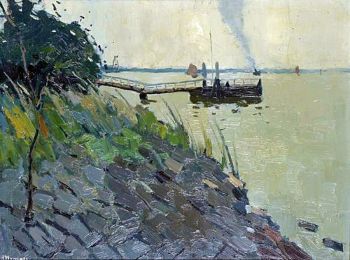
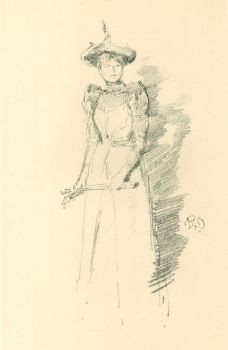
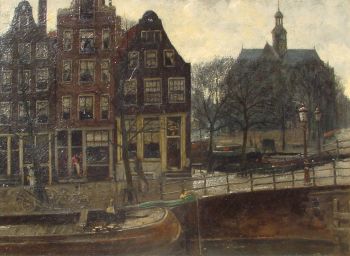
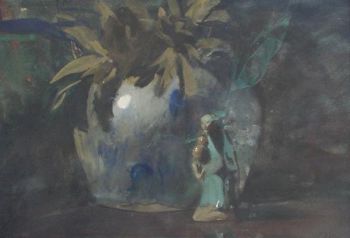
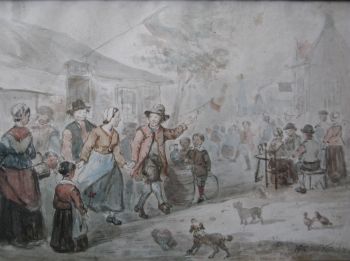
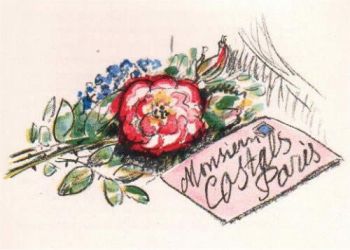
Gerard Muller era il figlio di Johan Werner Anton Muller, un armatore di Amsterdam e capo della casa commerciale Barge. Lo scrittore Hendrik Muller (1855-1927), legato agli anni Ottanta, e l'architetto Karel Muller erano fratelli. Muller fu educato dal 1880 al 1884 alla Rijksakademie voor Beeldende Kunsten di Amsterdam, con August Allebé tra gli altri. Eduard Frankfort, Hobbe Smith, Charles Dankmeyer, August Legras, Jacobus van Looy e Jan Veth erano tra i suoi compagni. Van Looy e Veth sono stati introdotti da Muller, tramite suo fratello, al movimento degli anni Ottanta. Anche lui era amico di molti degli anni Ottanta, tra cui Willem Witsen e Hendrik Haverman. Dal 1884 al 1888 Muller studiò alla Royal Academy of Fine Arts di Anversa, sotto Karel Verlat. Nel 1888 tornò ad Amsterdam e si trasferì al secondo piano di una casa sull'Oosterpark, ora Witsenhuis, nella sua residenza successiva. Muller visse e lavorò lì fino al 1897 con George Breitner, Hendrik Haverman e in seguito Isaac Israels, tra gli altri. Muller dipinge e acquerella scene di città e villaggi, ma soprattutto figure. La grazia del suo lavoro successivo tradisce un'influenza meridionale. Fece numerosi lunghi viaggi, tra cui in Spagna (intorno al 1900), in Italia (1913) e in Marocco (1920). Durante quei viaggi disegna e dipinge un gran numero di villaggi spagnoli e italiani e raffigurazioni esotiche di figure in stile orientalista. Ha anche realizzato acquerelli di frutta e fiori. Tra il 10 febbraio e il 3 marzo 1918 Muller espone nello showroom del Panorama Maatschappij ad Amsterdam. Lo scrittore Louis Couperus (1863-1923) tenne una conferenza alla mostra il 18 febbraio di quell'anno. La conferenza è stata preceduta da uno scambio di lettere tra Muller e Couperus. Una giornalista, Maria Viola, riferì il giorno successivo della conferenza sull'Algemeen Handelsblad: "Un temerario, questa contrazione di pittore e scrittore per lo stesso soggetto, che doveva essere a spese del primo. Che cosa significa il talento aristocratico di Couperus , la sua visione sottile della favola scintillante dello splendore moresco della vita, hanno in comune con le stampe aneddotiche di Gerard Muller?"