Gerard Muller was the son of Johan Werner Anton Muller, an Amsterdam shipowner and head of the trading house Barge. The writer Hendrik Muller (1855-1927), who was associated with the Eighties, and the architect Karel Muller were brothers.
Muller was educated from 1880 to 1884 at the Rijksakademie voor Beeldende Kunsten in Amsterdam, with August Allebé among others. Eduard Frankfort, Hobbe Smith, Charles Dankmeyer, August Legras, Jacobus van Looy and Jan Veth were among his fellow students. Van Looy and Veth were introduced by Muller, through his brother, to the movement of the Eighties. He, too, was a friend of several of the Eighties, including Willem Witsen and Hendrik Haverman.
From 1884 to 1888 Muller studied at the Royal Academy of Fine Arts of Antwerp, under Karel Verlat. In 1888 he returned to Amsterdam and moved into the second floor of a house on the Oosterpark, now the Witsenhuis, to his later residence. Muller lived and worked there until 1897 with George Breitner, Hendrik Haverman and later Isaac Israels, among others.
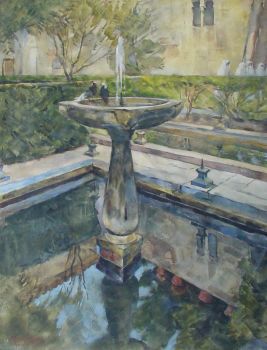
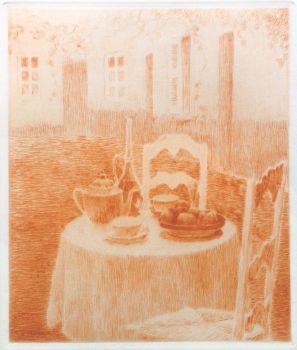
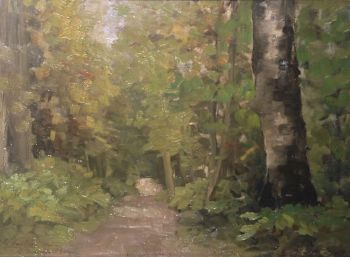
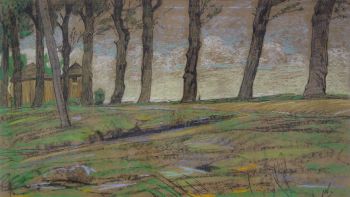
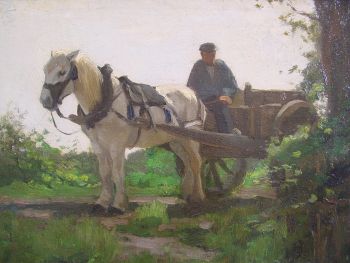
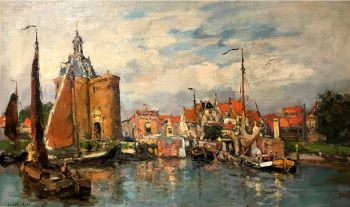
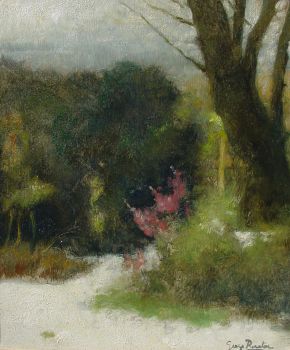
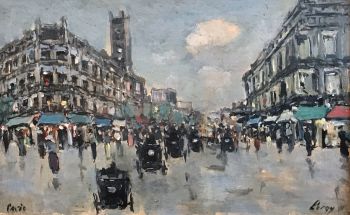
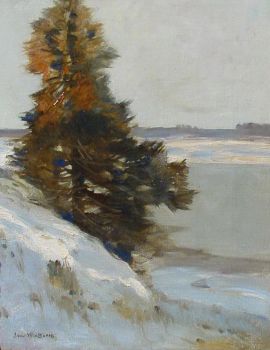
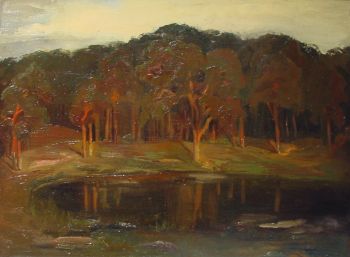
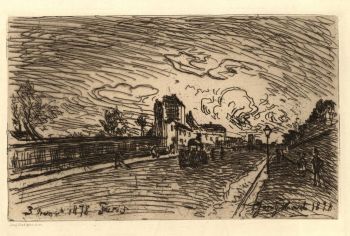
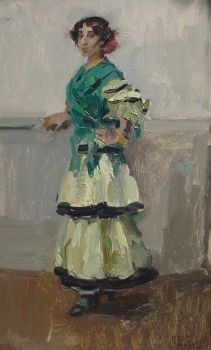
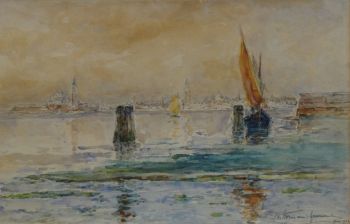
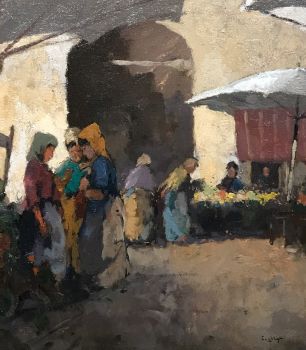
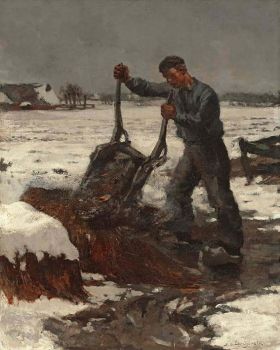
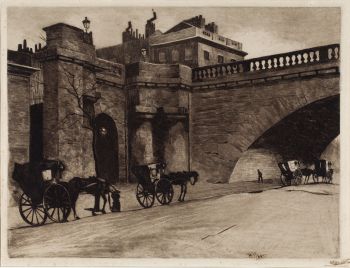
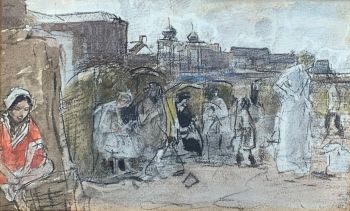
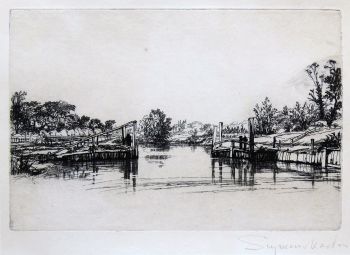
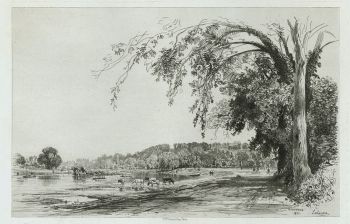
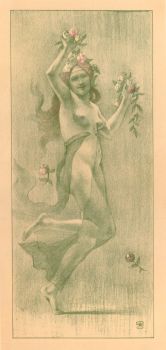
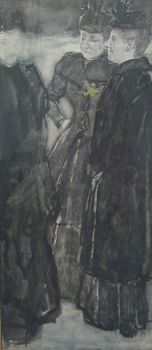
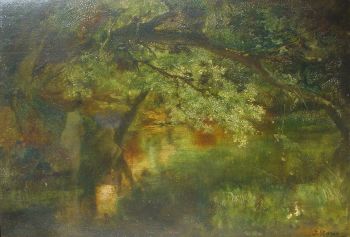
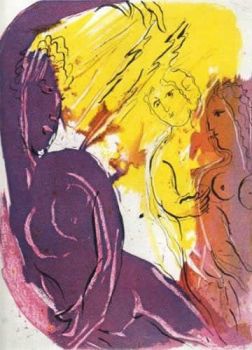
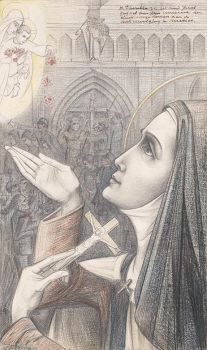
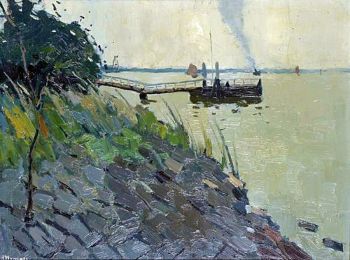
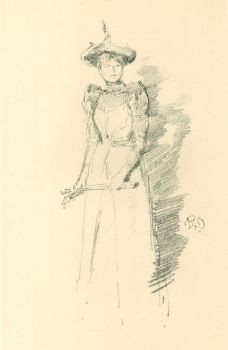
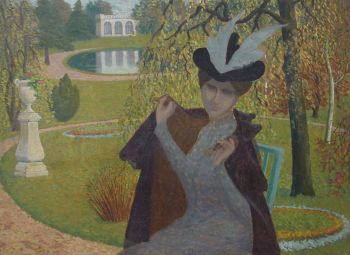
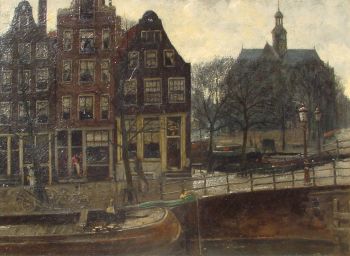
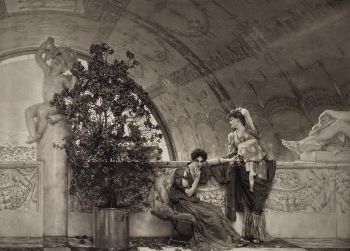
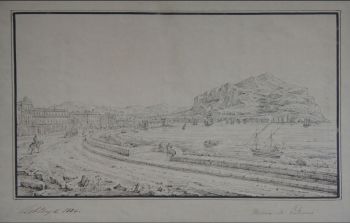
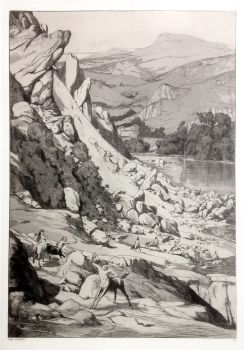
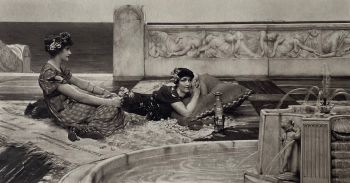
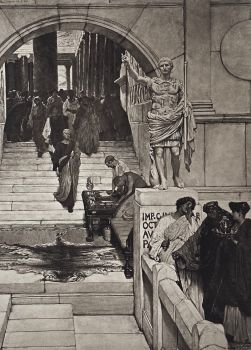
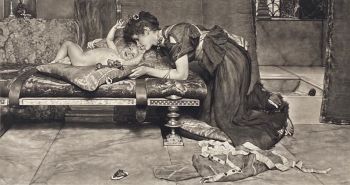
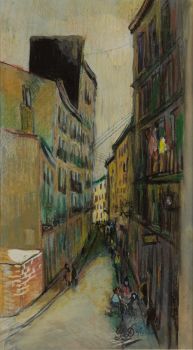
Muller painted and watercoloured city and village scenes, but mainly figures. The gracefulness of his later work betrays a southern influence. He made a number of long journeys, including to Spain (around 1900), Italy (1913) and Morocco (1920). During those trips he drew and painted a large number of Spanish and Italian villages and exotic depictions of figures in an orientalist style. He also made watercolours of fruits and flowers.
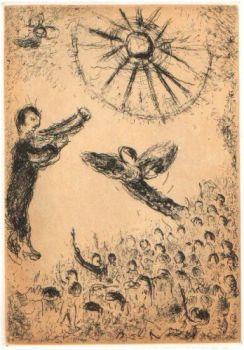
Between 10 February and 3 March 1918 Muller exhibited in the showroom of the Maatschappij Panorama in Amsterdam. The writer Louis Couperus (1863-1923) gave a lecture at the exhibition on 18 February of that year. The lecture was preceded by an exchange of letters between Muller and Couperus. A journalist, Maria Viola, reported the next day of the lecture in the Algemeen Handelsblad: "A daredevil, this contraction of painter and writer for the same subject, which had to be at the expense of the former. What does Couperus' aristocratic talent, his subtle vision of the glittering fairy tale of the Moorish splendour of life, have in common with Gerard Muller's anecdotal prints?"