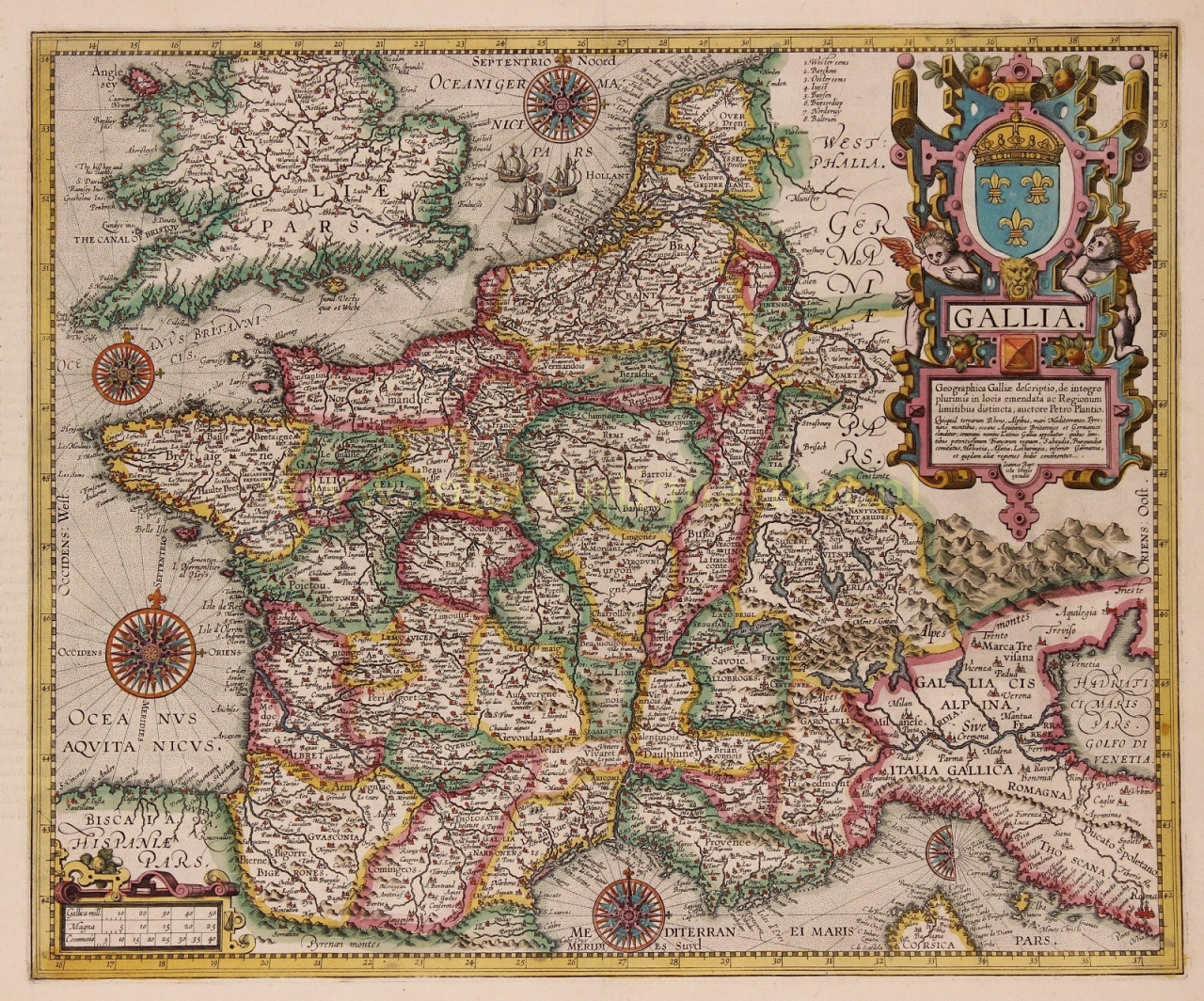
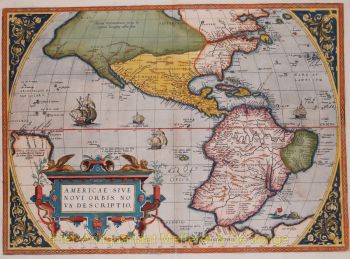
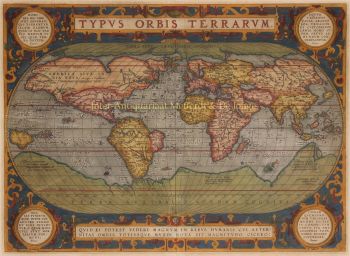
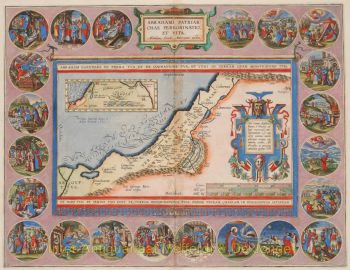
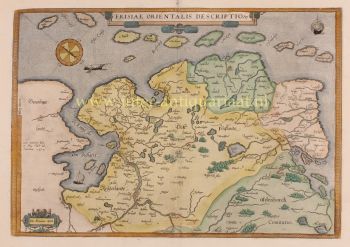
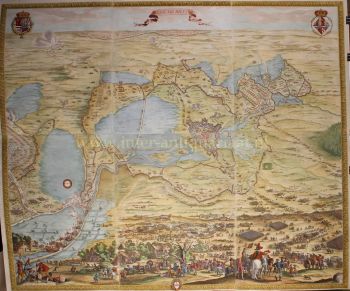
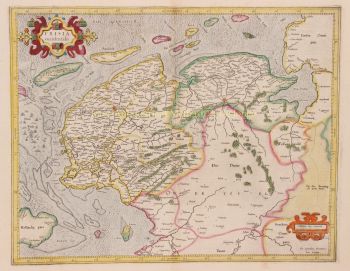
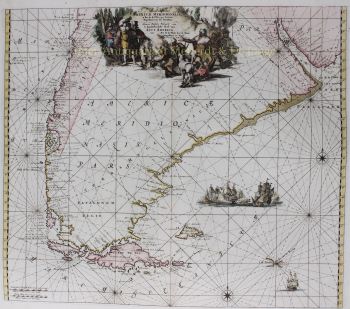
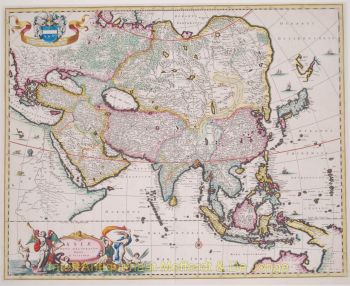
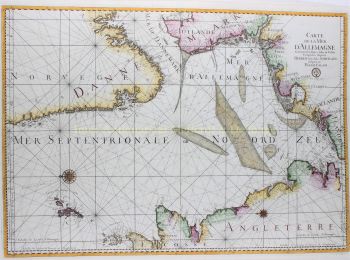
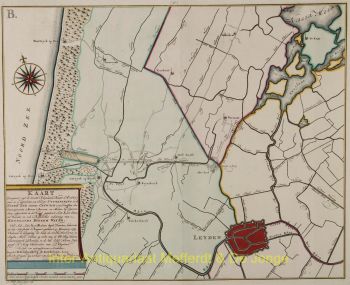
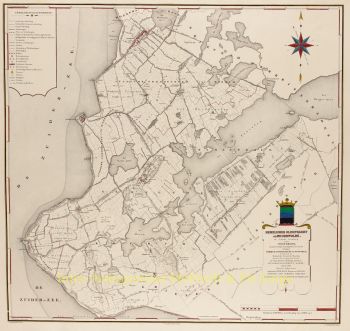
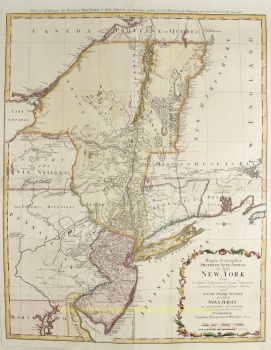
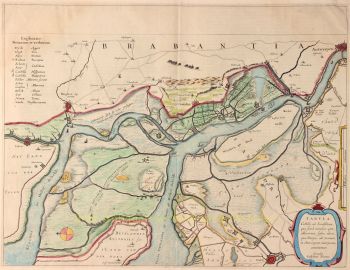
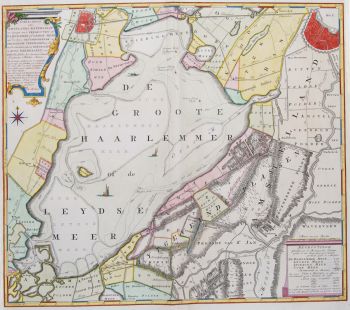
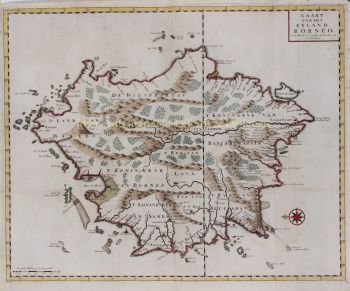
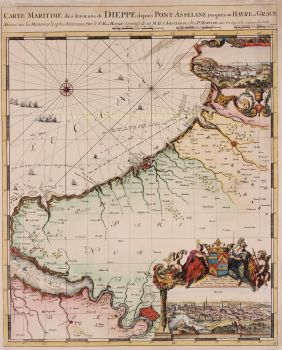
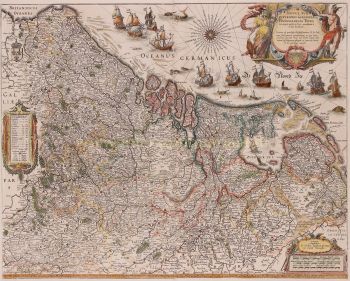
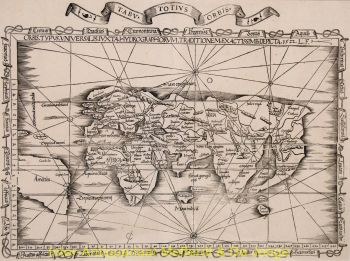
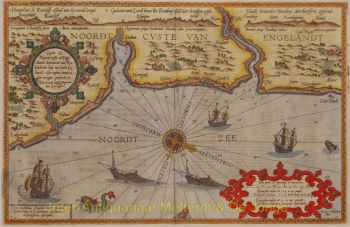
Abraham Ortelius (1527–1598) fu un cartografo e geografo fiammingo, ampiamente considerato il creatore del primo atlante moderno e uno dei cartografi più influenti della storia. La sua rivoluzionaria pubblicazione, Theatrum Orbis Terrarum (Teatro del Mondo), segnò una svolta nel modo in cui la conoscenza geografica veniva raccolta, standardizzata e presentata.
Pubblicato per la prima volta nel 1570, Theatrum Orbis Terrarum fu rivoluzionario sia nel concetto che nell'esecuzione. A differenza delle precedenti raccolte di mappe, l'atlante di Ortelius offriva una panoramica coerente e sistematica del mondo conosciuto, con mappe di dimensioni, stile e qualità uniformi, accompagnate da commenti accademici. Questo approccio trasformò la cartografia da un'arte frammentata a una disciplina scientifica e culturale strutturata, rendendo la geografia globale accessibile a studiosi, mercanti e statisti.
Ortelius visse e lavorò durante l'età d'oro della cartografia olandese, un periodo in cui i progressi nell'esplorazione, nella stampa e nel commercio rimodellarono la comprensione del mondo da parte dell'Europa. Insieme a Gerardo Mercatore, Ortelio è considerato uno dei padri fondatori della scuola cartografica olandese. Mentre Mercatore rivoluzionò la proiezione cartografica, Ortelio eccelleva nella sintesi, riunendo le migliori conoscenze geografiche disponibili in un'unica opera autorevole.
Oltre ai suoi successi tecnici, Ortelio fu un pensatore umanista con un profondo interesse per la storia, l'antichità classica e gli scambi culturali. Mantenne una vasta rete internazionale di studiosi, esploratori e cartografi, attribuendo scrupolosamente la paternità alle fonti, una pratica insolita e progressista per la sua epoca. Questa integrità accademica contribuì in modo significativo alla credibilità e all'influenza duratura della sua opera.
L'eredità di Abraham Ortelio non risiede solo nelle sue mappe, ma nella sua visione del mondo come un tutto interconnesso. Il suo atlante ha plasmato la visione del mondo europea per generazioni e ha gettato le basi per la cartografia moderna, assicurandogli un posto tra le grandi figure intellettuali del Rinascimento.