About the artist
Alphons Freijmuth was born in Haarlem in 1940 and developed into a versatile and influential figure in the Dutch art world. He studied at the Rijksakademie in Amsterdam in the early 1960s, quickly making his mark as one of the founders of the New Figuration movement.
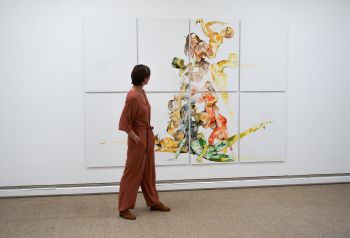
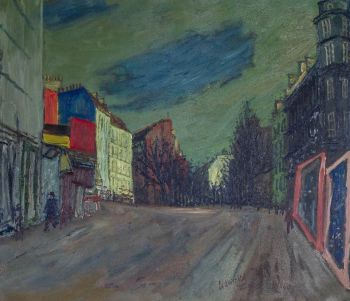
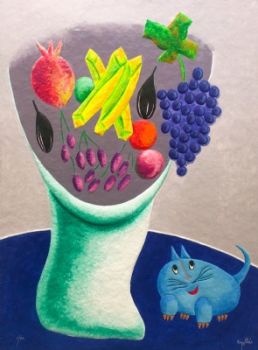
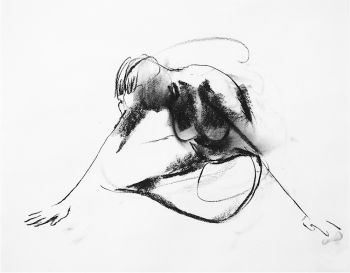
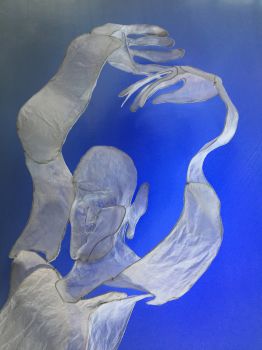
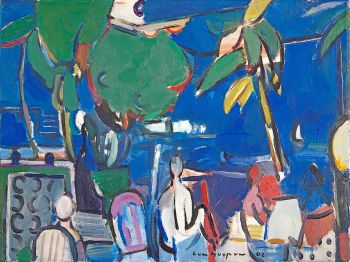
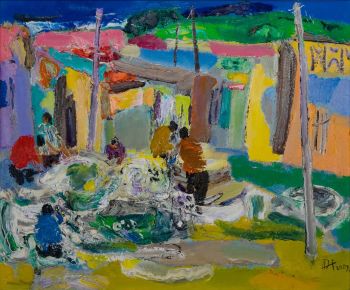
His oeuvre encompasses painting, graphic art, ceramics, sculpture, and murals. Freijmuth championed an innovative artistic language in which figuration and abstraction intersect: expressive human forms combined with constructivist and geometric elements, in bright colors and with bold brushwork. He often moved toward a portrait-like style in which figures, objects, and suggestive geometries form a dynamic interplay.
From the 1980s onward, Freijmuth expanded his repertoire to include bronze sculptures and ceramic objects. Several of his sculptures are prominently placed in public spaces, such as "The Sailing Man" on Kattenburgerplein in Amsterdam and the "Totem Pole" in front of the De Nederlandsche Bank building. These works demonstrate his ability to make his visual language monumental and public.
Freijmuth also taught at the AKI in Enschede, where he influenced generations of artists with his broad perspective and unconventional approach. He collaborated for many years with Reinier Lucassen—both admirers of Magritte—exchanging ideas and motifs. This fostered a fruitful cross-pollination within their artistic minds.
His oeuvre has been regularly represented at international auctions, ranging from small gouaches to monumental canvases, with prices sometimes reaching four figures. His works are included in important museum and private collections at home and abroad.
Today, Freijmuth still lives and works in Amsterdam. His art exudes energy, humor, and visual intensity; each work unfolds its own universe in which figuration is given free rein and layers of meaning unfold in color, form, and association.