Jan van der Zee (Leeuwarden, 16 February 1898 – Groningen, 15 December 1988) was an influential Dutch painter and monumental artist, known for his versatile contributions to the art world and his prominent role within the Groningen artists' association De Ploeg.
Early Life and Education
From an early age, Van der Zee showed a strong affinity for drawing. During his secondary school years at the HBS in Leeuwarden, his talent was noticed by his drawing teacher, who introduced him to the artist Jan Mankes. Under Mankes' guidance, he further developed his skills. In 1919, he enrolled at the Academie Minerva in Groningen, where he was taught by teachers such as F.H. Bach and Willem Valk. During his studies he became friends with artists such as Wobbe Alkema and Hendrik de Vries, who influenced his artistic development
Artistic Development and De Ploeg
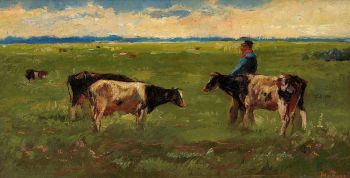
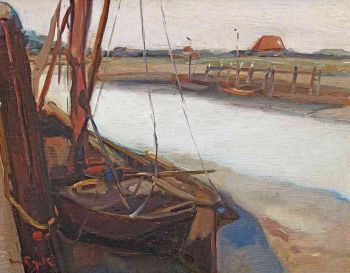
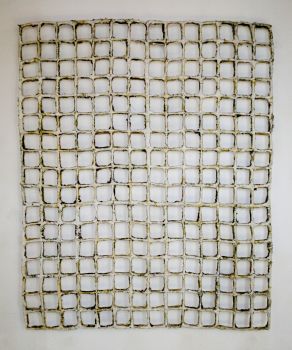
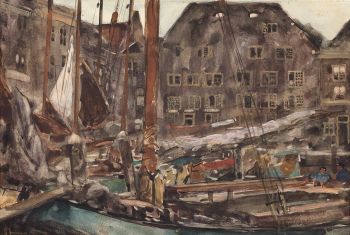
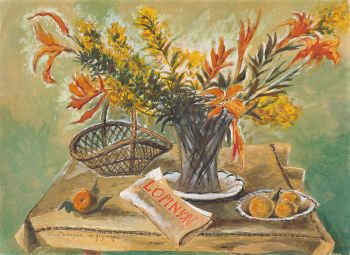
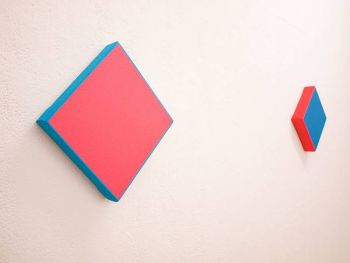
In 1923 Van der Zee joined De Ploeg, a Groningen artists' collective that strove for innovation in art. Initially he experimented with a constructivist style, influenced by his colleague Wobbe Alkema. His early works from the 1920s show an interest in the structure of the landscape, depicted in rhythmic sequences of shapes and planes. However, due to negative reviews he returned to a more figurative and expressionist approach in 1926, with portraits and landscapes in sober, dark tones and a pasty layer of paint.
Later Career and Monumental Work
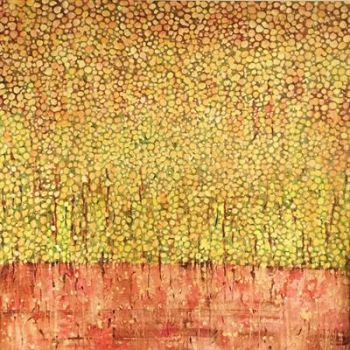
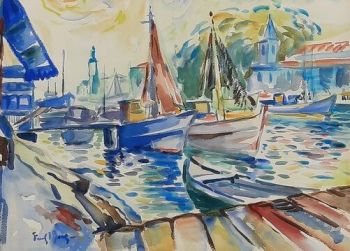
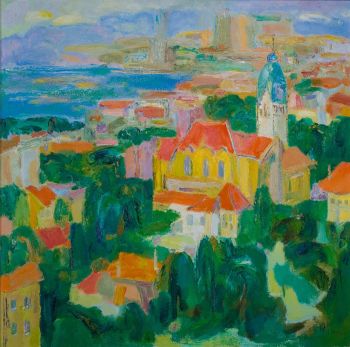
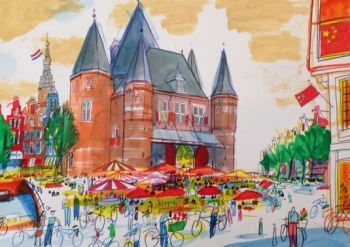
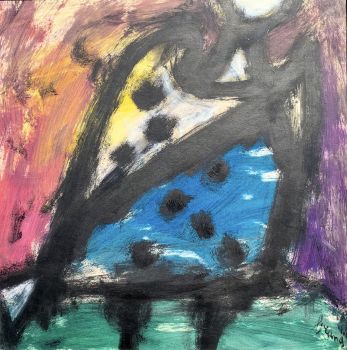
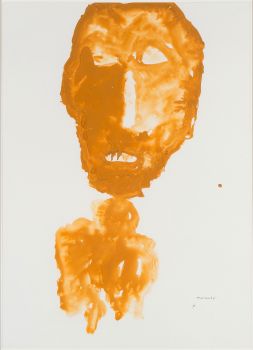
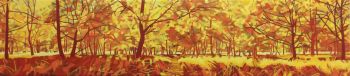
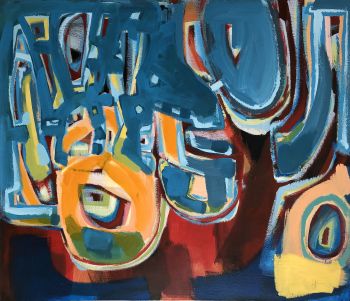
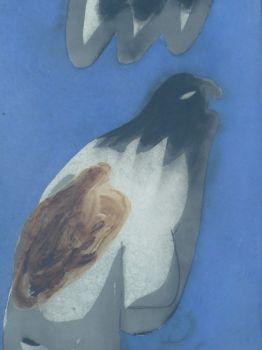
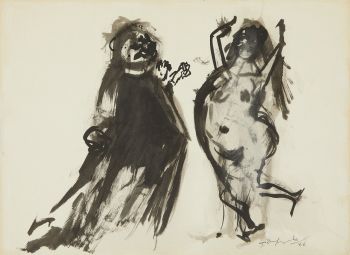
After the Second World War Van der Zee again sought innovation. In 1950 he co-founded Het Narrenschip, a group that strove for a new artistic climate in Groningen. He continued to experiment with different techniques and styles, ranging from brightly colored, figurative expressionist landscapes to abstract compositions with flowing lines and shapes. In addition to painting, he was involved in monumental art, including stained glass windows for the Martinikerk in Groningen and mosaics for various buildings.
Recognition and Legacy
In 1965, Van der Zee received the Cultural Prize of the province of Groningen for his contributions to art. In 1986, the Fries Museum and the Groninger Museum organized a major retrospective of his work. Until his death in 1988, he remained open to new developments and experiments, which made him one of the most important post-war artists in Groningen.
Jan van der Zee's work is characterized by a continuous search for innovation and a deep connection with the Groningen landscape. His versatility and willingness to experiment have had a lasting impact on Dutch art history.