Maurice Maignan, born in 1868 in the Normandy town of Neufchâtel-en-Bray, was one of the French sculptors active in the transitional period from the 19th to the 20th century. He settled early in Paris, where he trained and came into contact with the established artistic circles surrounding the École des Beaux-Arts. In the French capital, he developed into a skilled sculptor with a preference for figurative art, at a time when academic traditions and more modern movements coexisted.
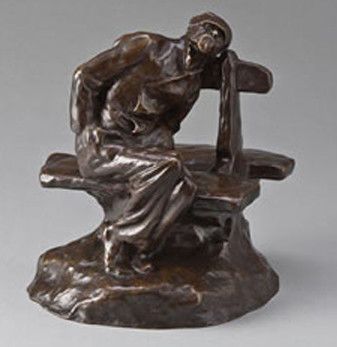
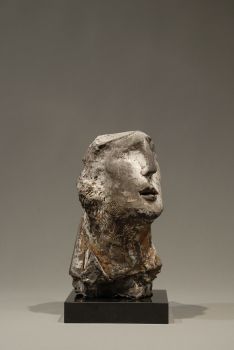
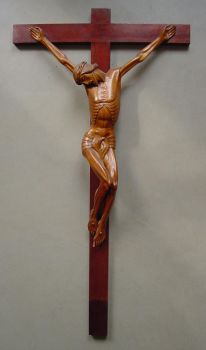
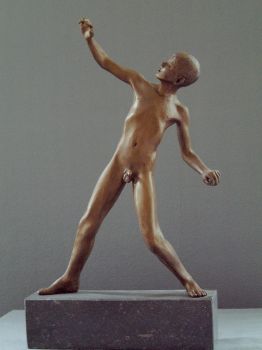
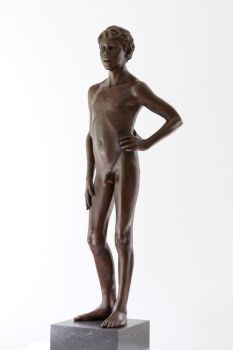
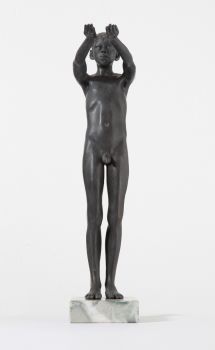
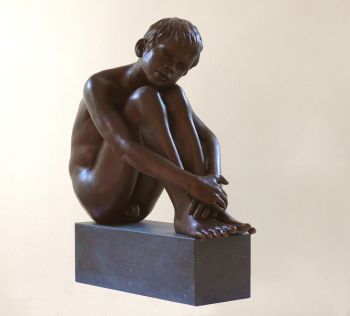
Maignan worked primarily in bronze and stone, with his subjects ranging from portraits and busts to allegorical and symbolic figures. His style is in keeping with the French late-19th-century tradition: carefully modeled, with great attention to anatomy, texture, and expression. At the same time, some works reflect the influence of the more expressive, lively approach that emerged around 1900, inspired by artists like Rodin. As a sculptor, he received various commissions for public sculptures and monuments, such as memorials and religious images, placing him among the broad movement of artists who enriched French towns and villages with sculpture during that period. He also created more intimate sculptures for private clients, primarily portrait busts, in which he demonstrated his skill in capturing likeness and character.
Maurice Maignan remained active well into his old age. He died in 1946 in Paris, where he had spent most of his career. His oeuvre is less frequently mentioned in surveys of French sculpture, but it demonstrates solid craftsmanship and a loyalty to the figurative tradition, which continued to play an important role in France well after 1900.