Hendrik de Leth (Amsterdam, 31 maggio 1703 – Amsterdam, 17 giugno 1766) è stato un artista della stampa, incisore, incisore, cartografo, disegnatore, libraio, mercante d'arte, editore di stampe, collezionista d'arte e collezionista di naturalia.
Hendrik de Leth era figlio di Andries de Leth (tagliapiatti, libraio, 1662-1731) e Nelletje Middenheespen. Hendrik aveva un fratello maggiore, Christiaan de Leth. Nel 1742 Hendrik sposò Sophia Otto, che morì nel 1753. Il loro matrimonio rimase senza figli. Era probabile che il nipote Andries, figlio del fratello di Hendrik, Christiaan, sarebbe diventato il successore dell'attività di Hendrik. Tuttavia, morì nel 1743. Nel 1766 Hendrik de Leth fece redigere un testamento poco prima della sua morte, in base al quale Catharina le Blanc, nipote del fratello Christiaan, divenne erede. Il 30 settembre 1766 ebbe luogo l'asta dei suoi beni.[3]
Nel 1728 Hendrik si unì alla corporazione dei librai. Prima di allora era uno studente di suo padre Andries de Leth, che aveva rilevato la mappa, la stampa e il mercante d'arte "Op de Beurssluys, in den Visscher" ad Amsterdam dal cartografo e incisore Nicolaas Visscher II. Hendrik de Leth a sua volta rilevò questa azienda dopo la morte del padre nel 1731.
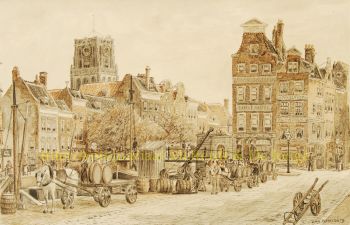
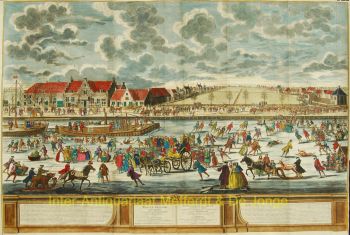
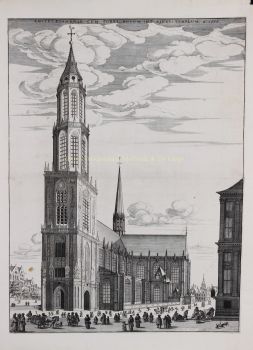
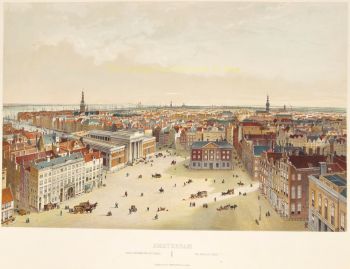
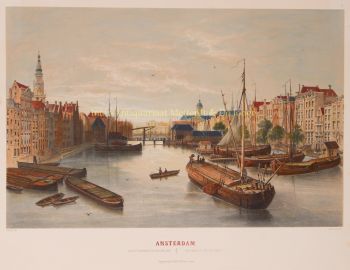
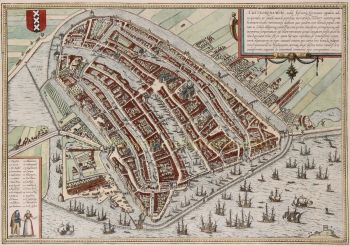
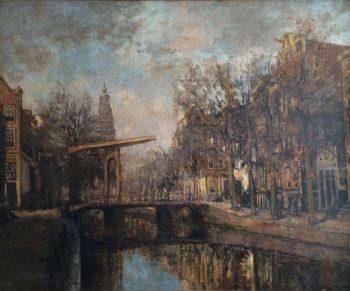
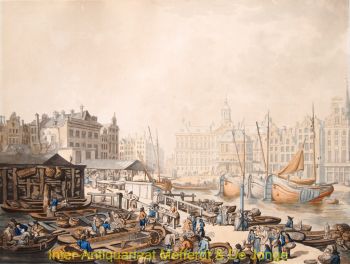
Già nel 1725 fu pubblicata l'opera Images of the Wijdtvermaarde city of Amsterdam oltre ai suoi più importanti Buildings and Gesites, tutti accuratamente disegnati dopo la vita e pubblicati ad Amsterdam.
La sua opera più nota con 100 stampe fu pubblicata nel 1730: Lo splendore benedicente Kennemerlant : mostra molti volti gloriosi dei luoghi di piacere più importanti di quest'ultimo, case nobiliari, edifici di villaggi e città : a partire da Kastrikum (...) / disegnato dopo la vita e nel rame portato da H. de Leth; e brevemente descritto da M. Brouërius van Nidek. - Amsterdam : De Leth, 1730. Molte stampe che De Leth fece di Amsterdam si trovano negli archivi della città di Amsterdam.
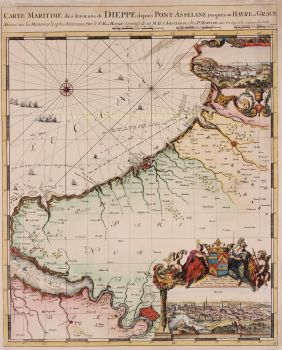
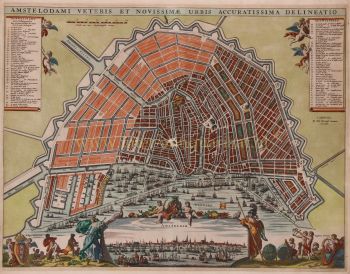
Come cartografo, De Leth era meglio conosciuto per il suo New Geographical Atlas e Historical Atlas, Van de Zeven Vereenigde Nederlandsche Provintien, pubblicato nel 1740. De Leth divenne noto anche per le incisioni su rame che fece intorno al 1758 della Mappa Generale della Colonia o Provincia del Suriname su disegno di Alexander de Lavaux.











![RARE ARMORIAL MAP: LEO BRABANTIAE Lion of the most noble Duchy of Brabant] by Sibertus Waterloos](https://media-3.gallerease.com/images/325cc033-a3b6-495f-9da8-6d06caf29b14/350x350/rare-armorial-map-leo-brabantiae-lion-of-the-most-noble-duchy-of-brabant.jpg)