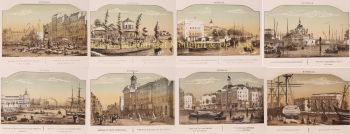
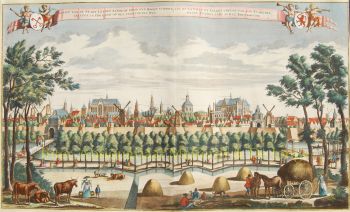
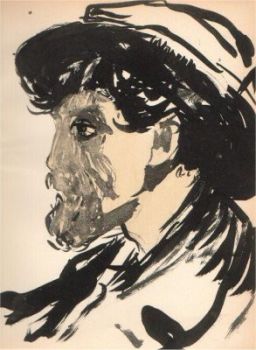
Hendrik de Leth (Amsterdam, 31 mai 1703 - Amsterdam, 17 juin 1766) était un graveur, aquafortiste, graveur, cartographe, dessinateur, libraire, marchand d'art, éditeur d'estampes, collectionneur d'art et collectionneur de naturalia.
Hendrik de Leth était le fils d'Andries de Leth (coupeur d'assiettes, libraire, 1662-1731) et de Nelletje Middenheespen. Hendrik avait un frère aîné, Christiaan de Leth. En 1742, Hendrik épousa Sophia Otto, décédée en 1753. Leur mariage resta sans enfant. Il était probable que le neveu Andries, fils du frère de Hendrik, Christiaan, deviendrait le successeur de l'entreprise de Hendrik. Cependant, il mourut en 1743. En 1766, Hendrik de Leth fit rédiger un testament juste avant sa mort, par lequel Catharina le Blanc, petite-fille du frère Christiaan, devint héritière. Le 30 septembre 1766, la vente aux enchères de son domaine eut lieu.[3]
En 1728, Hendrik rejoint la guilde des libraires. Auparavant, il était l'élève de son père Andries de Leth, qui avait repris la concession de cartes, d'estampes et d'art 'Op de Beurssluys, in den Visscher' à Amsterdam du cartographe et graveur Nicolaas Visscher II. Hendrik de Leth reprend à son tour cette entreprise après la mort de son père en 1731.
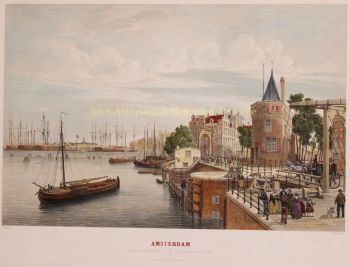
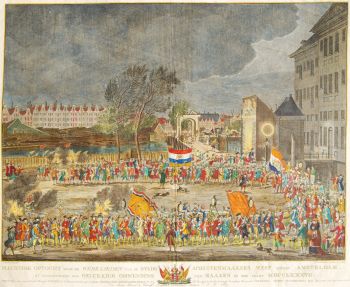
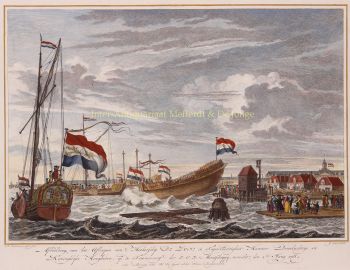
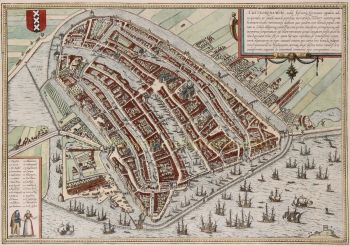
Dès 1725, l'œuvre Images de la ville Wijdtvermaarde d'Amsterdam a été publiée en plus de ses bâtiments et gesites les plus importants, tous dessinés avec précision après la vie et publiés à Amsterdam.
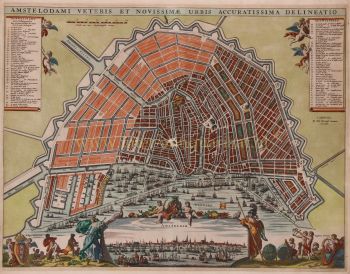
Son ouvrage le plus connu avec 100 gravures a été publié en 1730 : La splendeur de la bénédiction Kennemerlant : montre de nombreux visages glorieux des lieux de plaisir les plus importants de ce dernier, des maisons nobles, des bâtiments de village et de ville : à commencer par Kastrikum (...) / dessiné après la vie et dans le cuivre apporté par H. de Leth ; et brièvement décrit par M. Brouërius van Nidek. - Amsterdam : De Leth, 1730. De nombreuses estampes d'Amsterdam réalisées par De Leth se trouvent dans les archives de la ville d'Amsterdam.
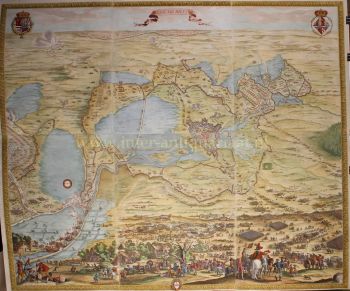
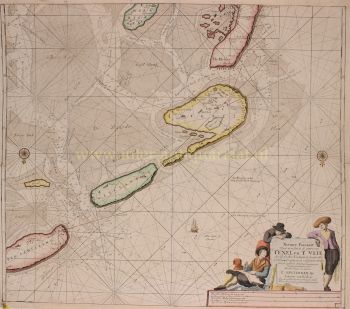
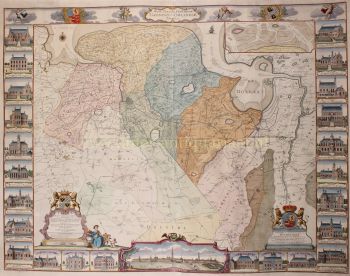
En tant que cartographe, De Leth était surtout connu pour son Nouvel Atlas géographique et Atlas historique, Van de Zeven Vereenigde Nederlandsche Provintien, publié en 1740. De Leth s'est également fait connaître pour les gravures sur cuivre qu'il a réalisées vers 1758 de la carte générale de la colonie ou province du Suriname d'après le dessin d' Alexandre de Lavaux .