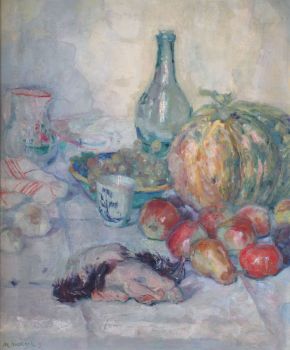
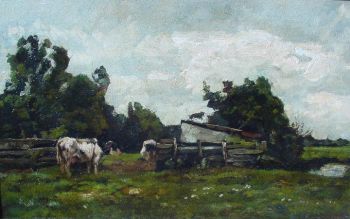
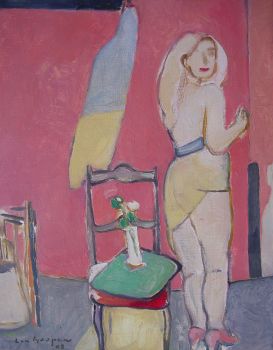
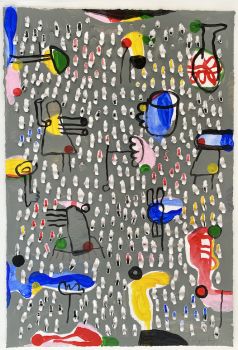
Adolf Zdrazila (Poruba, 1868 – Opava, 1942) was a Czech painter and draftsman best known for his landscapes, village scenes and genre scenes from Moravia and Silesia. His work reflects a deep connection with the rural life and natural environment of his native region, combining realism with a gentle poetic sentiment.
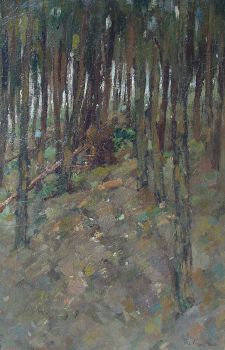
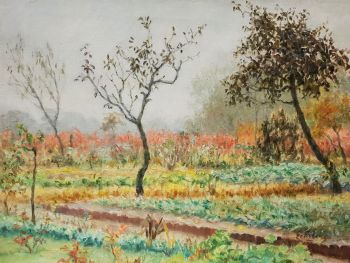
Zdrazila studied art at the Vienna Art Academy, where he was educated in the academic tradition but at the same time developed an eye for the expressive possibilities of light, colour and composition. Back in his native region, he chose an oeuvre that remained rooted in recognisable subjects: rural life, the rhythm of the seasons, village squares, churches and landscapes with rolling hills and wide skies.
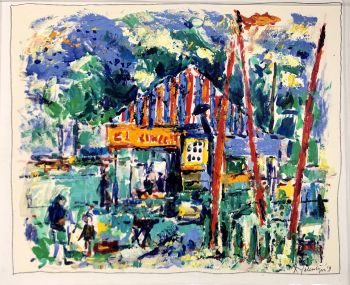
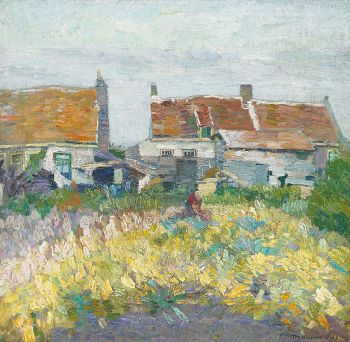
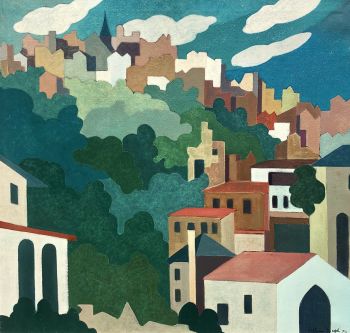
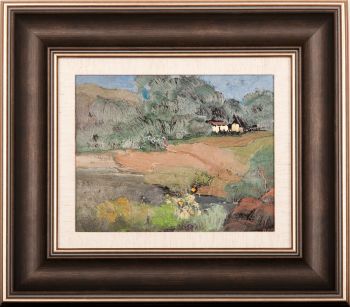
His painting style is figurative and sensitive, with warm earth tones and a flowing touch. Zdrazila had a keen eye for the small gestures of everyday life: a peasant woman with water buckets, a cart on a dirt road, a group of children at a village school. With these works he not only documented Silesian rural life, but also managed to give it a certain dignity and tranquility.
Although he remained active regionally throughout his life and was not considered one of the great innovators of Czech art, his work was popular in local circles and at exhibitions in Moravia and Austria-Hungary. He contributed to the cultural identity of his region by creating a familiar and loving image of life as it really was — without idealization, but with great feeling.
Adolf Zdrazila leaves behind an honest and multi-layered oeuvre that offers an important window on the rural culture of Central Europe at the beginning of the 20th century. His work is a quiet ode to simplicity, solidarity and the rhythm of the land.