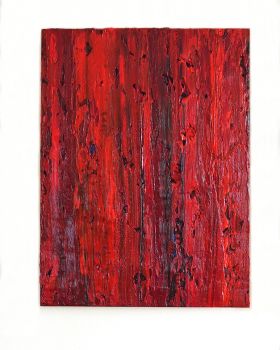
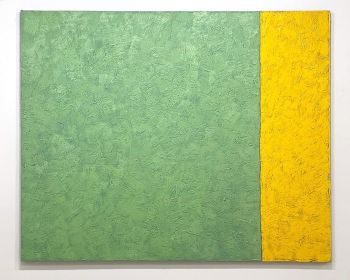
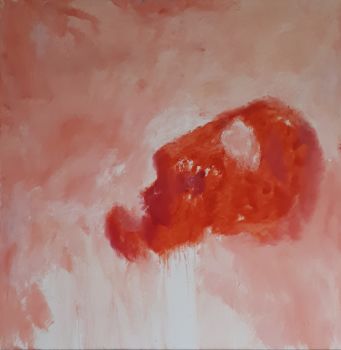
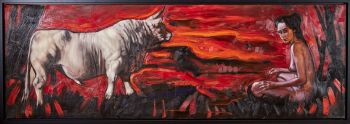
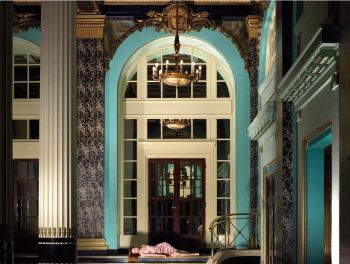
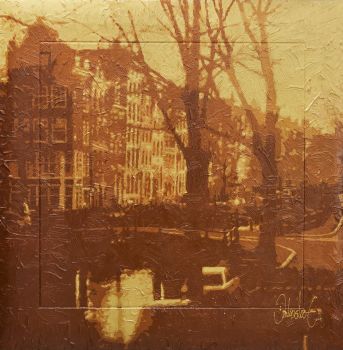
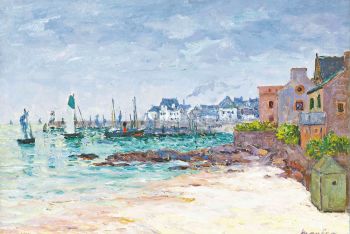
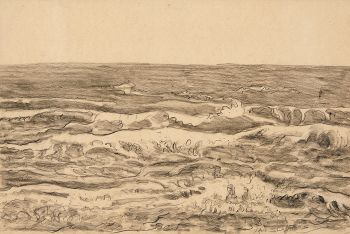
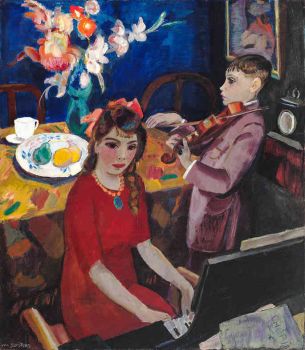
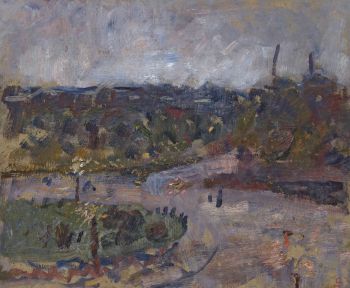
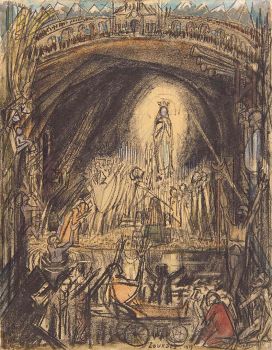
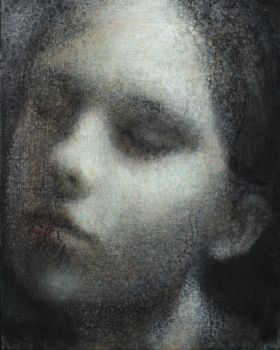
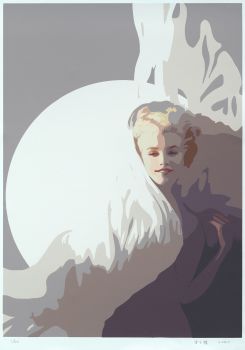
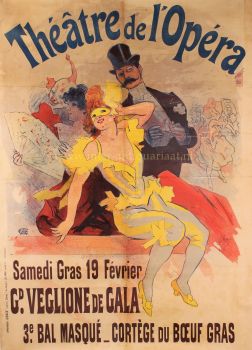
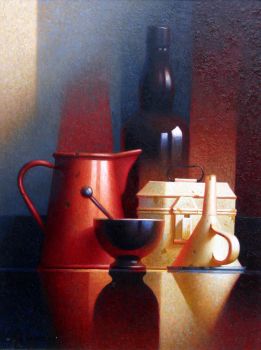
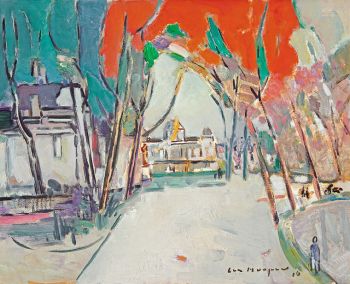
Cornelis (Cees or Kees) Timmer (Zaandam, 20 June 1903 – Rotterdam, 24 January 1978) was a versatile and idiosyncratic Dutch artist who could not be captured in one style or discipline. He worked as a painter, draftsman, sculptor, graphic artist, goldsmith, muralist, monumental artist and mosaicist. His oeuvre is a showcase of craftsmanship, inventiveness and love for everyday life.
Timmer grew up in Zaandam in a period of industrialization and change, something that would shape his view of the world. His talent was noticed at an early age. He studied at the Academy of Fine Arts and Technical Sciences in Rotterdam, where he emerged as a curious and versatile student who saw no boundaries between art forms.
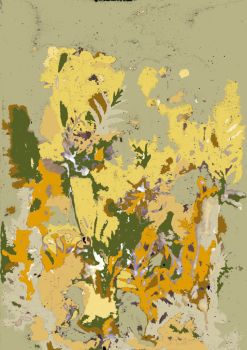
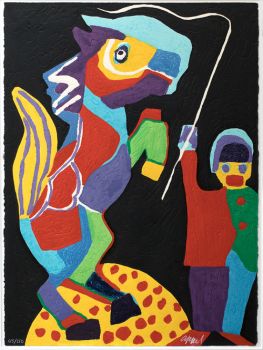
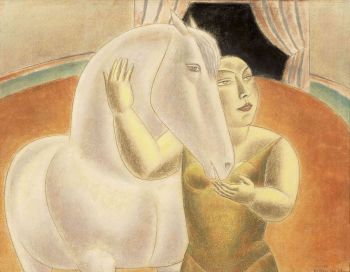
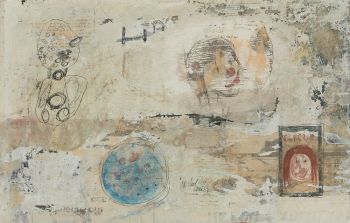
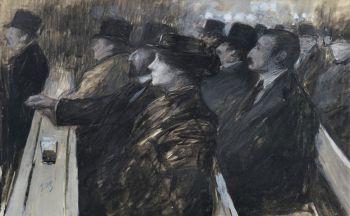
His style developed idiosyncratically and averse to academic dogmas. He had a preference for the everyday and the humorous. His work often contained subtle irony and a keen eye for character and detail. Timmer painted street scenes, animals (particularly his characteristic monkeys), portraits and scenes with a light, narrative tone. His drawings were virtuoso and sparkling, often with a playful realism.
In addition to his free work, Timmer was very active in applied art. He designed murals and mosaics for public buildings, made monumental sculptures, worked as a goldsmith and designed jewellery and utensils. In doing so, he was committed to an art that could enrich daily life – not only in museums, but also on the street and in the home.
Rotterdam became his home base and work area. After the bombings in the Second World War, he contributed to the reconstruction of the city with his monumental work. He believed that art had a social function: it had to be visible and accessible to everyone.
Although he received many commissions during his life and was a respected figure in Rotterdam art circles, he remained an independent spirit. He chose his own path, outside the major modernist movements. As a result, his work has sometimes remained less well-known to the general public, but among connoisseurs he is praised for his technical mastery, his versatility and his unyielding personal style.
After his death in 1978, he left behind a rich and varied oeuvre that is still being rediscovered and appreciated – a tribute to an artist who took his craft seriously, but never himself too seriously.