Barbara Elisabeth van Houten was born on 8 April 1862 in Groningen, into an artistic family: her aunt was none other than Sientje van Houten, the wife of painter Jozef Israëls. In this artistically imbued environment, Barbara found her calling early on. She developed into a gifted painter and etcher with a powerful, independent oeuvre — a remarkable achievement in a time when female artists rarely received the recognition they deserved.
Van Houten was educated at the Rijksakademie van Beeldende Kunsten in Amsterdam and perfected her craftsmanship at the Académie Julian in Paris, where she was exposed to the more modern movements of her time. Yet her style remained rooted in the Dutch painting tradition, in which light, texture and quiet observation played the leading role.
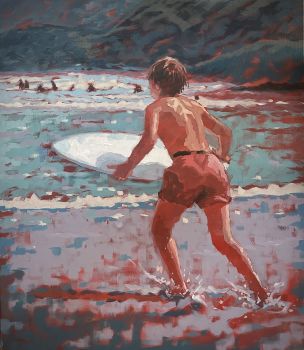
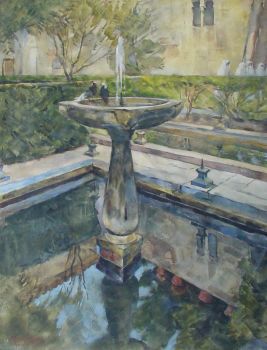
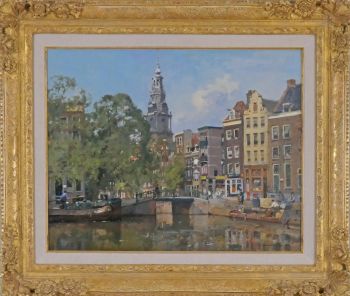
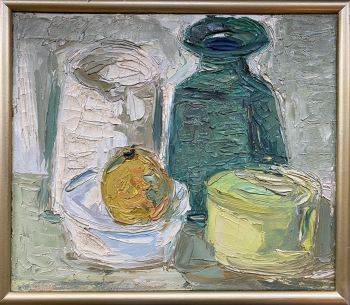
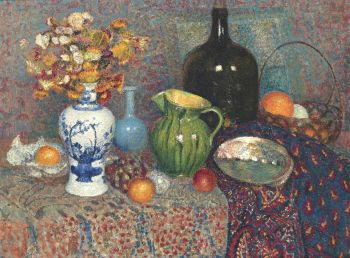
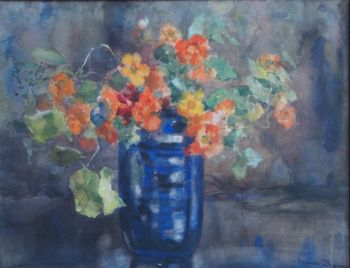
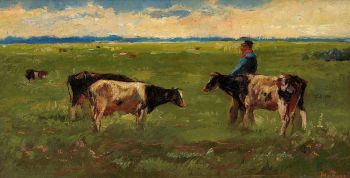
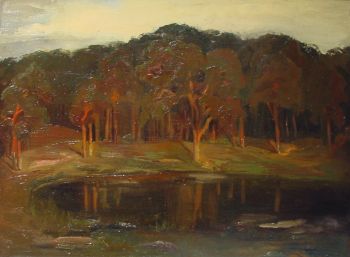
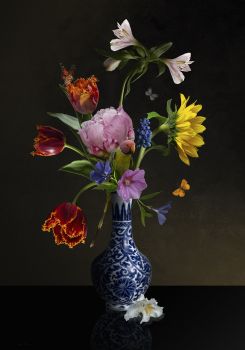
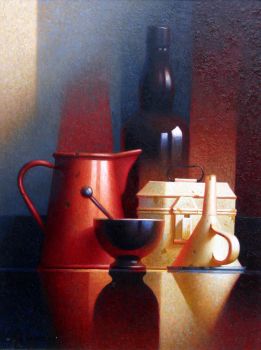
She became best known for her powerful paintings of women, interiors, landscapes and still lifes. Her work is characterised by a loose, confident handwriting, warm colour tones and a strong composition. She worked with clear strokes, which gave her paintings a lively, tangible quality. In her etchings she showed equal control — subtle, but with character.
Barbara van Houten was not only active as a visual artist, but also as an advocate of female representation in the art world. She was a member of the Association for Women's Suffrage, founded in 1898, and co-founder of the Amsterdam Artists' Association Sint Lucas. In 1911 she was one of the participants in the controversial exhibition De Vrouw 1813–1913, which portrayed women as independent forces in art and society.
During her career, Van Houten regularly exhibited her work in the Netherlands and abroad. Her work was appreciated by collectors and critics, but received less attention after her death. Only recently has her name been mentioned again as one of the few women who held her own in the Dutch art world around 1900 — not as an exception, but as a full-fledged member.
Barbara van Houten died on 26 March 1950 in The Hague. Her legacy is one of quiet strength, artistic autonomy and historical significance. She did not paint a world of grand gestures, but of human presence, everyday beauty and a feminine gaze that was ahead of its time.