Albertus Polydorus Termote, better known as Albert Termote, was born on 30 March 1887 in Lichtervelde, Belgium. His artistic talent brought him to the Royal Academy of Fine Arts in Ghent, where he trained in sculpture. His work, characterised by classical lines and dynamic expression, would later occupy a prominent place in both the Belgian and Dutch art worlds.
The First World War brought a radical turn in his life. Like many artists and intellectuals from Belgium, Termote had to flee the violence of war. He found his first refuge in England, but in 1915 he settled in the Netherlands. This country, where he eventually acquired Dutch nationality, offered him the stability and cultural climate in which his art could flourish.
In 1922, Termote moved to Voorburg, where he would live and work for the rest of his life. His style developed into a powerful combination of naturalism and monumental simplicity, often with religious or historical themes. He became known for his impressive equestrian statues and monumental sculptures, such as the statue of King William I in Rotterdam and the statue of King Leopold II in Ostend.
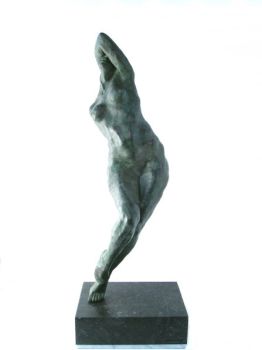
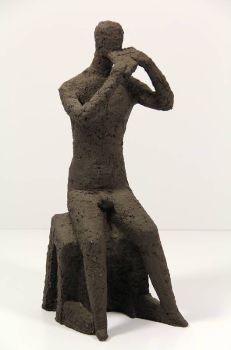
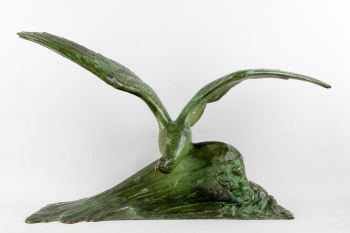
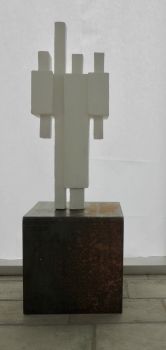
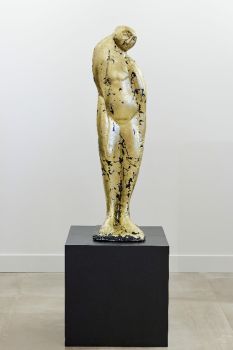
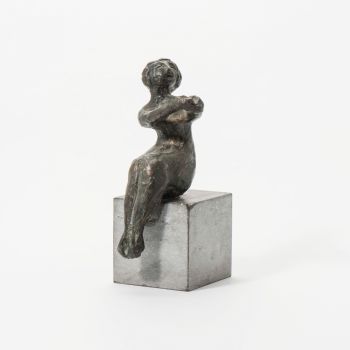
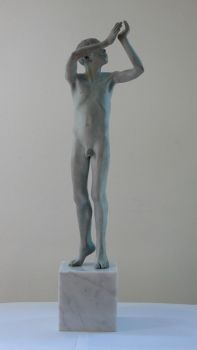
In addition to his monumental work, Termote created numerous smaller sculptures and portraits, in which his skill in capturing character and emotion was expressed. His oeuvre reflects a deep respect for tradition and craftsmanship, combined with a subtle renewal of classical forms.
Albert Termote died on 13 April 1978 in Voorburg, but his work lives on in squares, parks and museums in both the Netherlands and Belgium. His sculptures tell stories of strength, history and human expression—a legacy that continues to inspire generations after him.